

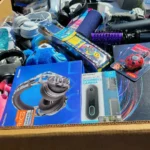
Mix Electronic Pallets | Wholesale Electronics for Resellers
-
 Pick up from the Woodmart Store

To pick up today
Free
-
Courier delivery

Our courier will deliver to the specified address
2-3 Days
From $40
-
DHL Courier delivery

DHL courier will deliver to the specified address
1-2 Days
From $40
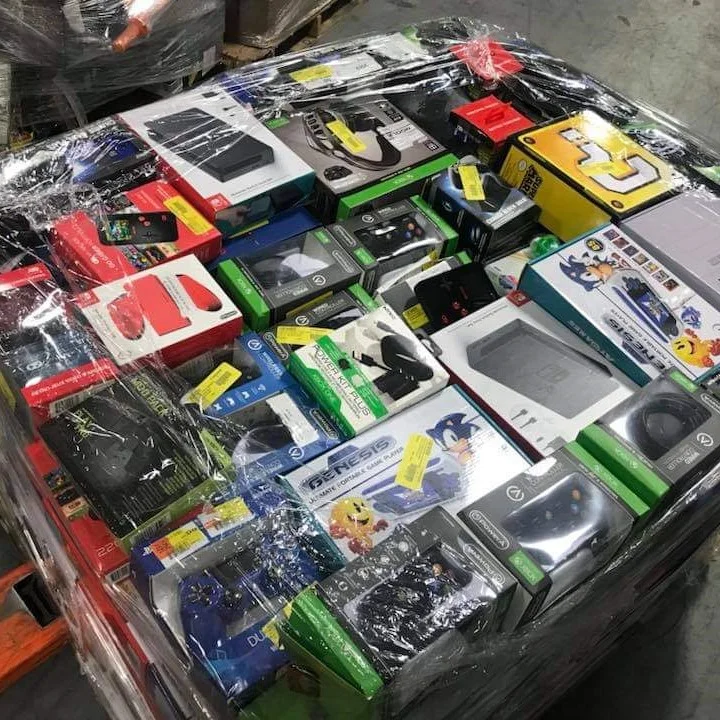
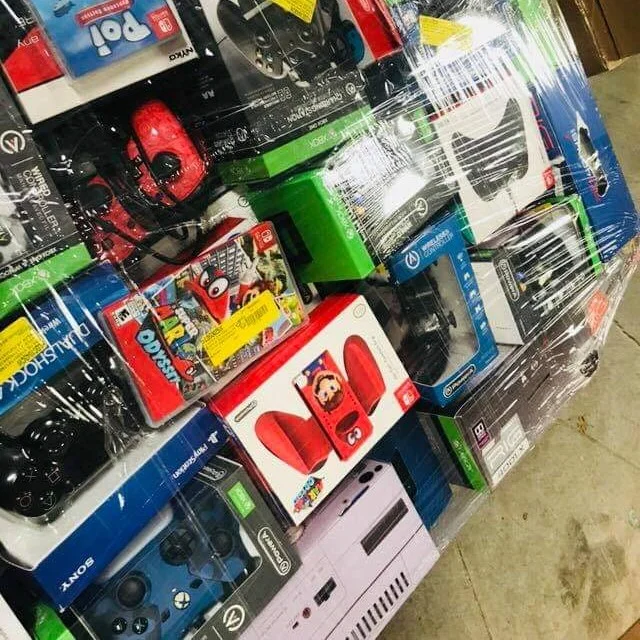
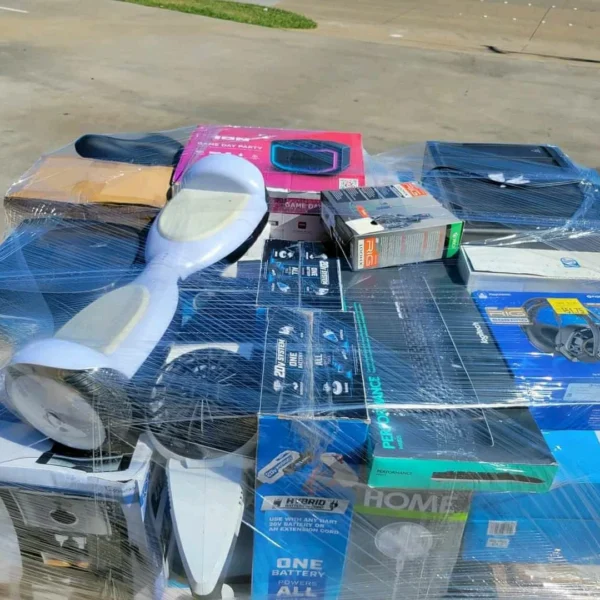
Buy electronics pallets with assorted wholesale inventory for resellers and businesses. Explore liquidation electronics pallets and bulk purchasing options in the USA.
$660.00
Description
Buy Pallets Electronics: A Complete Guide to Buying Electronics Liquidation Pallets
If you are looking to buy pallets electronics, you are entering a wholesale market built around opportunity, volume, and careful evaluation. Electronics are among the most attractive liquidation categories because they include products people use every day, from smartphones and tablets to headphones, speakers, computer accessories, gaming equipment, smart-home devices, televisions, cameras, and other technology. Instead of purchasing individual products at traditional wholesale prices, a reseller can purchase an electronic pallet containing multiple units and then separate the inventory for resale. This approach can give entrepreneurs access to affordable electronics while creating opportunities for online stores, local retailers, flea-market sellers, repair businesses, and wholesale distributors. However, successful liquidation buying is not simply about finding the lowest advertised price. Current 2026 buying guidance emphasizes examining the actual condition of the merchandise, reviewing manifests when available, calculating freight and processing costs, and understanding that customer returns can contain both functional and defective products. A smart buyer therefore looks beyond the headline retail value and asks a more useful question: what will this inventory realistically cost to acquire, process, and resell? Once you understand that difference, buying electronic pallets becomes a structured sourcing strategy rather than a guessing game.
What Are Electronic Liquidation Pallets?
Electronic liquidation pallets are bulk shipments of electronic merchandise sold through liquidation, surplus, closeout, return, or wholesale channels. The exact contents vary by supplier and lot, which means one pallet could contain mostly headphones and accessories while another could contain laptops, tablets, smart devices, televisions, cameras, or a mixture of different categories. Inventory may originate from customer returns, excess stock, overstock, open-box merchandise, shelf pulls, discontinued inventory, or products that require repair. A customer return should not automatically be interpreted as a defective product, because customers can return items for many reasons unrelated to functionality. At the same time, a return should never automatically be treated as new merchandise. Recent liquidation guidance stresses that condition, completeness, testing status, and the actual lot documentation are central to determining the value of a pallet. This is particularly important with electronics because missing chargers, damaged screens, account locks, battery problems, broken ports, or software issues can substantially affect resale value. The term electronic liquidation therefore describes a sourcing opportunity with variable risk. The buyer’s responsibility is to understand that risk before committing money.
Why Buyers Choose Electronics Pallets
The main attraction of electronic pallets for sale is the possibility of acquiring multiple products at a wholesale or liquidation price and then creating individual sales from the same purchase. A reseller might purchase one pallet and discover products suitable for several different customer groups. Headphones can appeal to consumers looking for personal audio, computer accessories can target office users, gaming products can reach gamers, and smart-home products can attract technology enthusiasts. This diversity can give a reseller multiple ways to recover the original investment. Electronics are also relatively easy to research because model numbers, specifications, and comparable products are often readily identifiable. That makes it possible to investigate current marketplace pricing before purchasing a lot. The opportunity becomes stronger when the buyer already has an established customer base or sales channel. However, the same variety that makes electronics attractive can create additional work. Every product category may require different testing procedures, photography, packaging, and customer support. A buyer who understands the products and has an organized processing system can turn that complexity into an advantage. A buyer who purchases blindly can end up with inventory that takes too long to test or sell.
Types of Electronics You Can Find in Liquidation Pallets
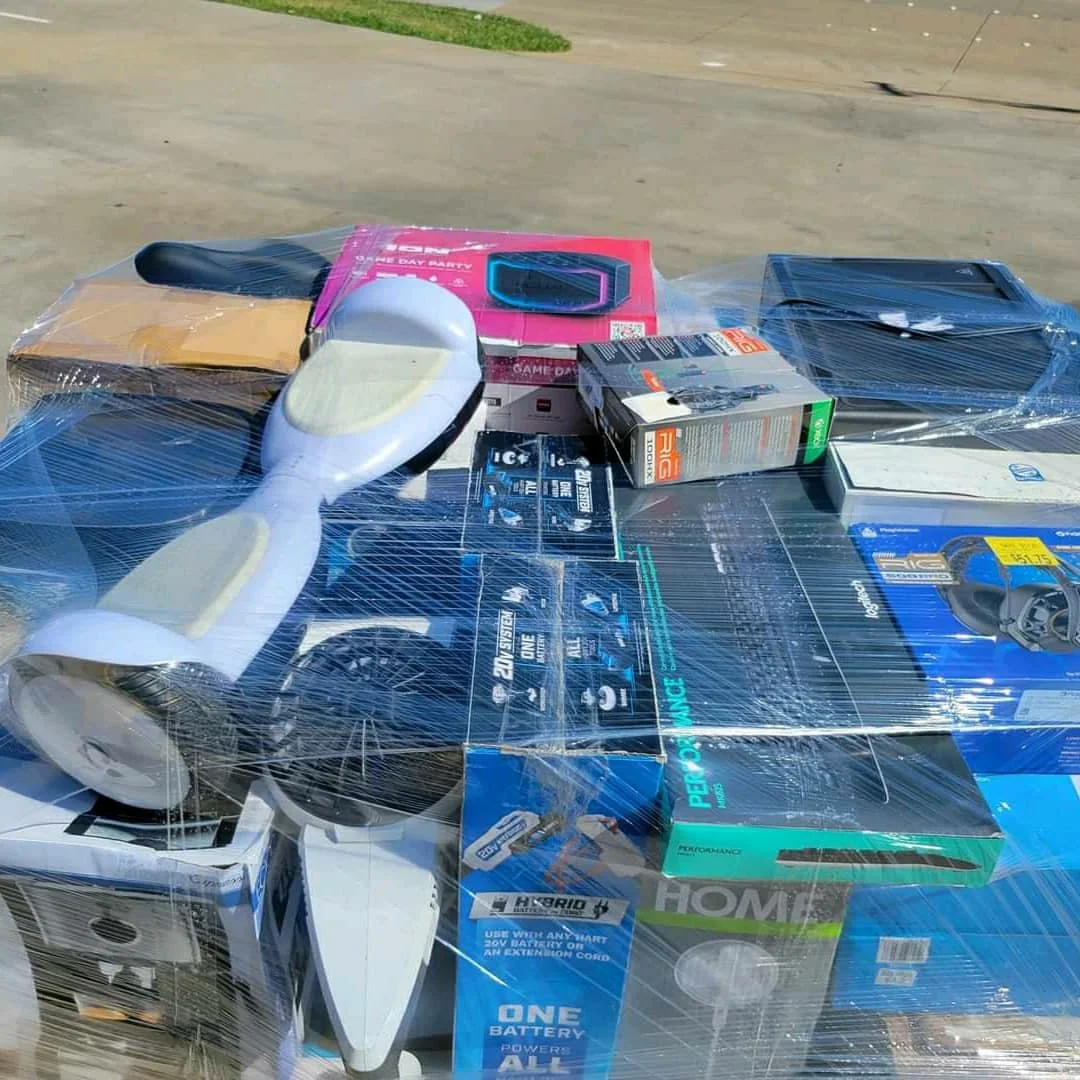
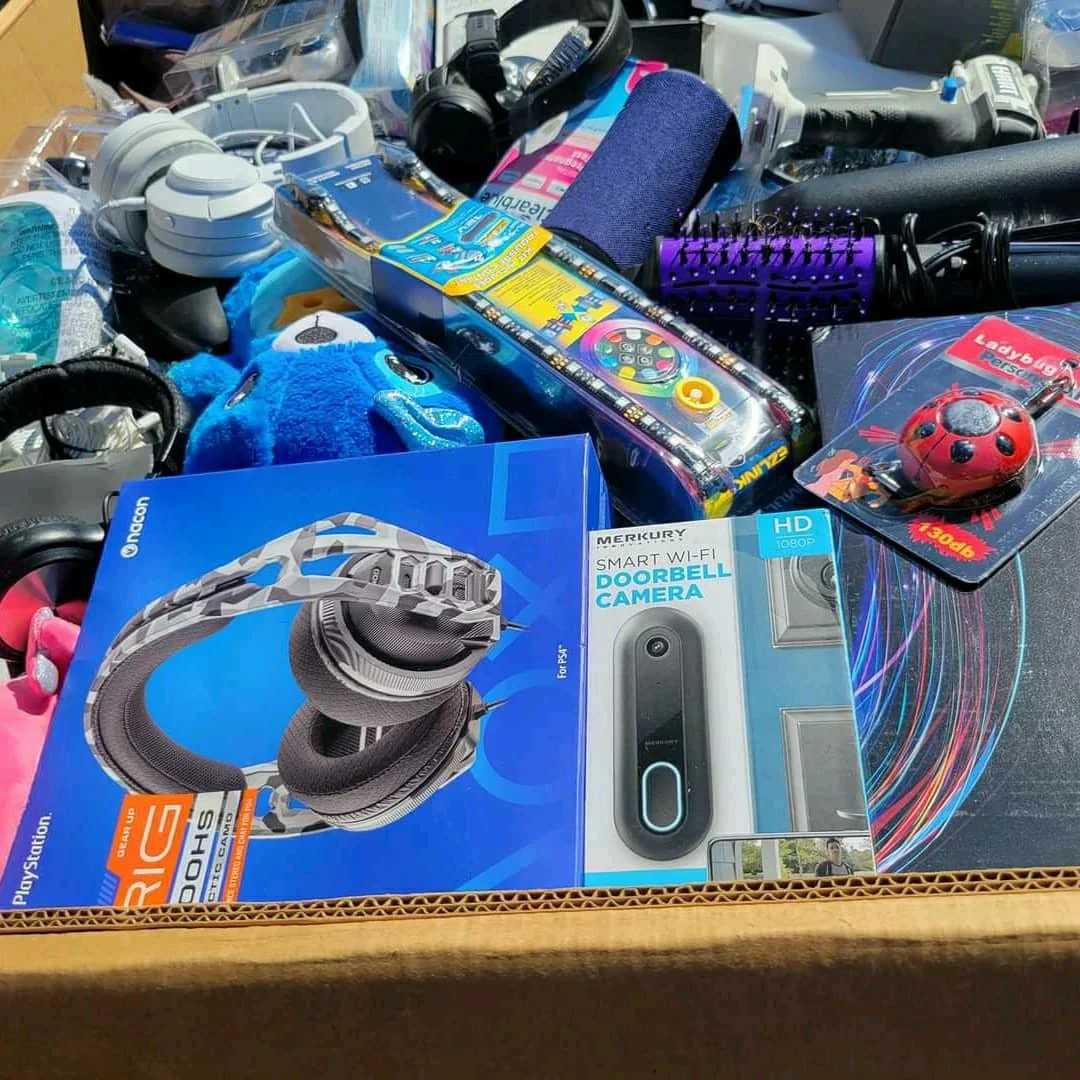
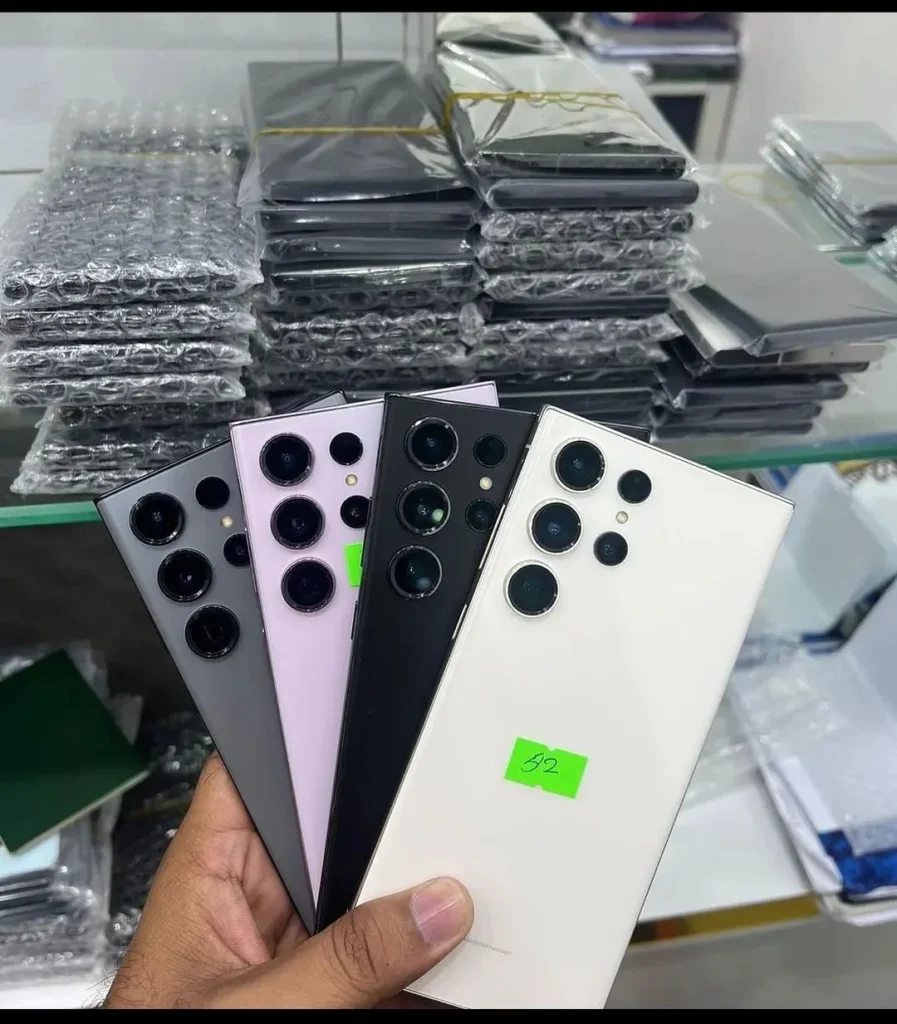
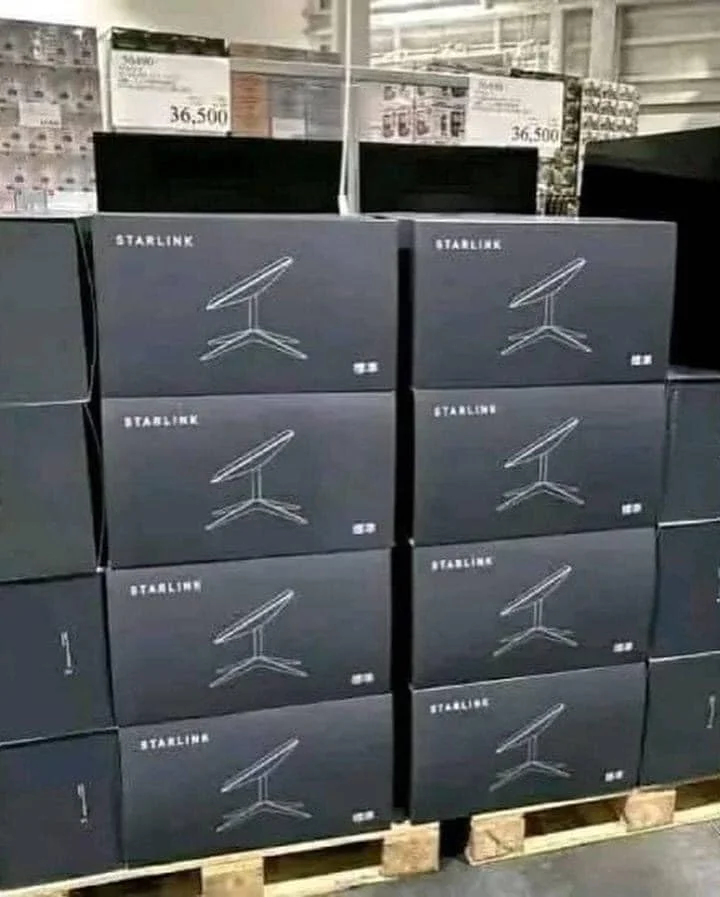
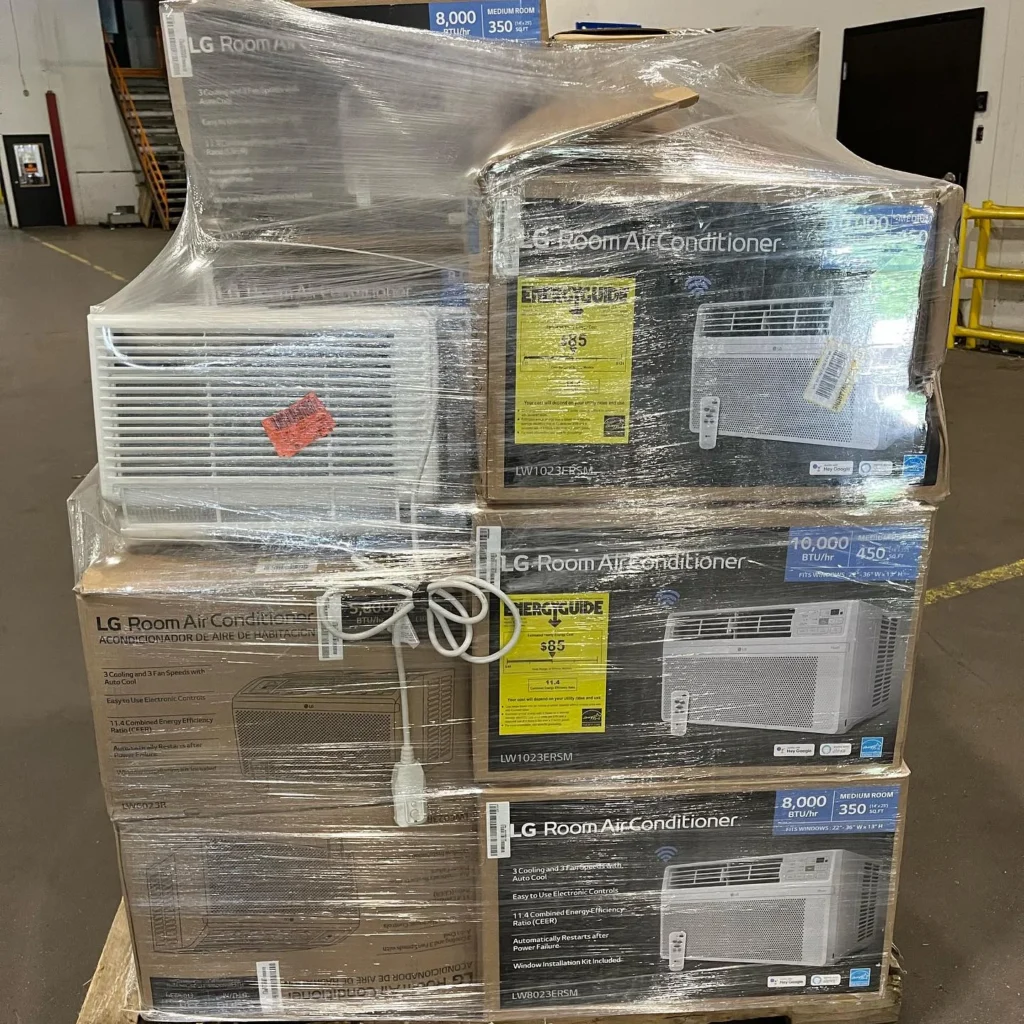
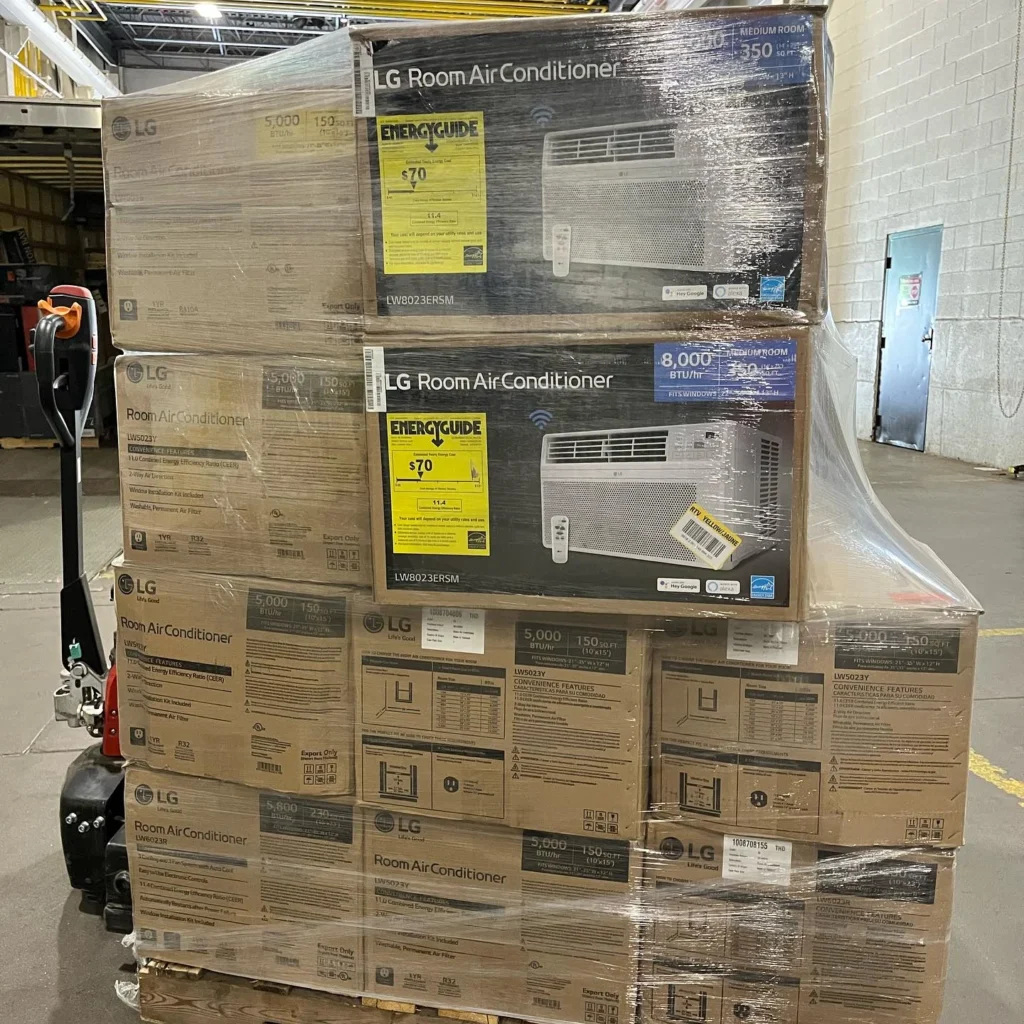
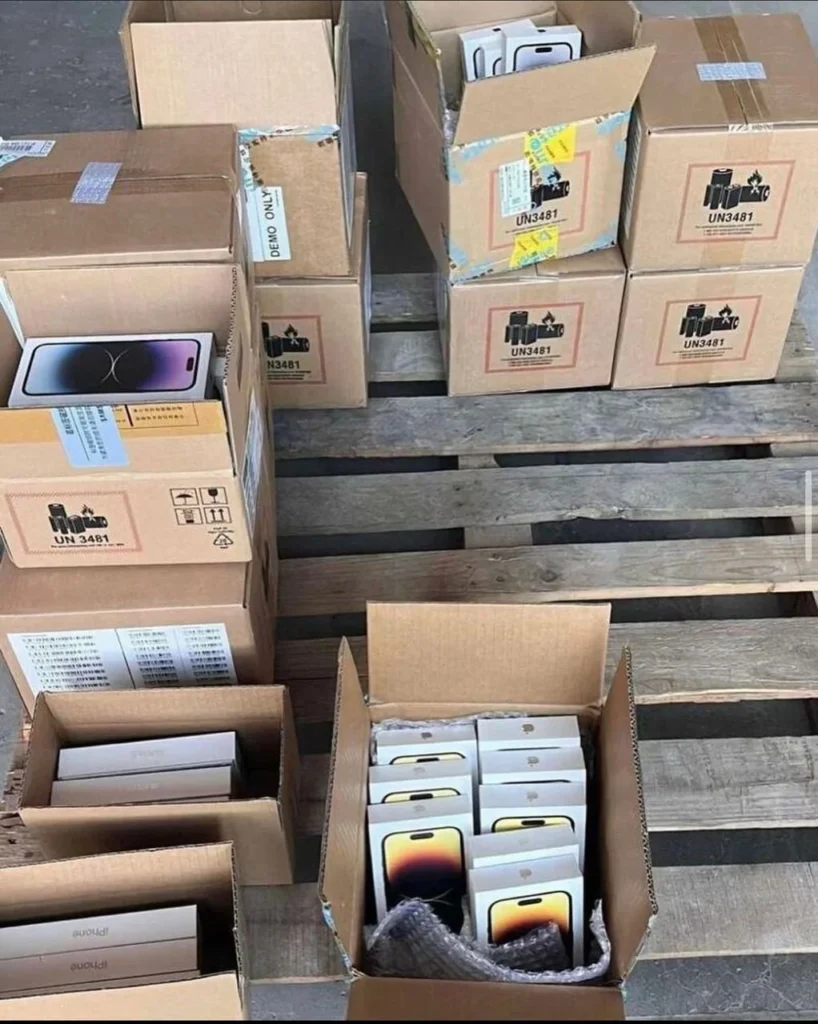
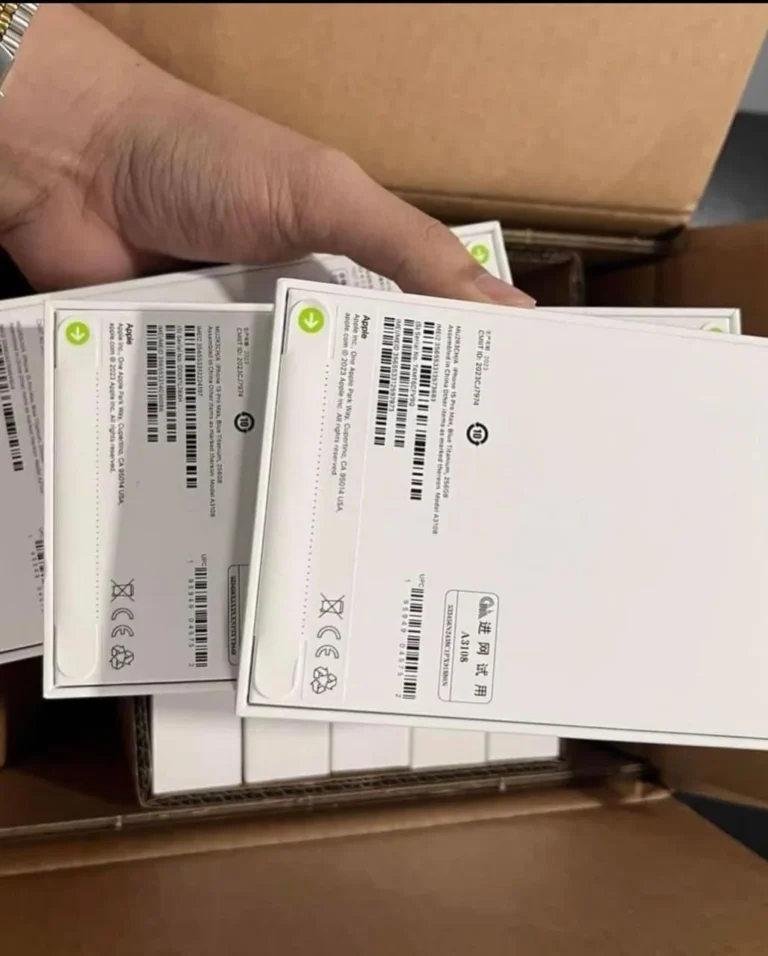
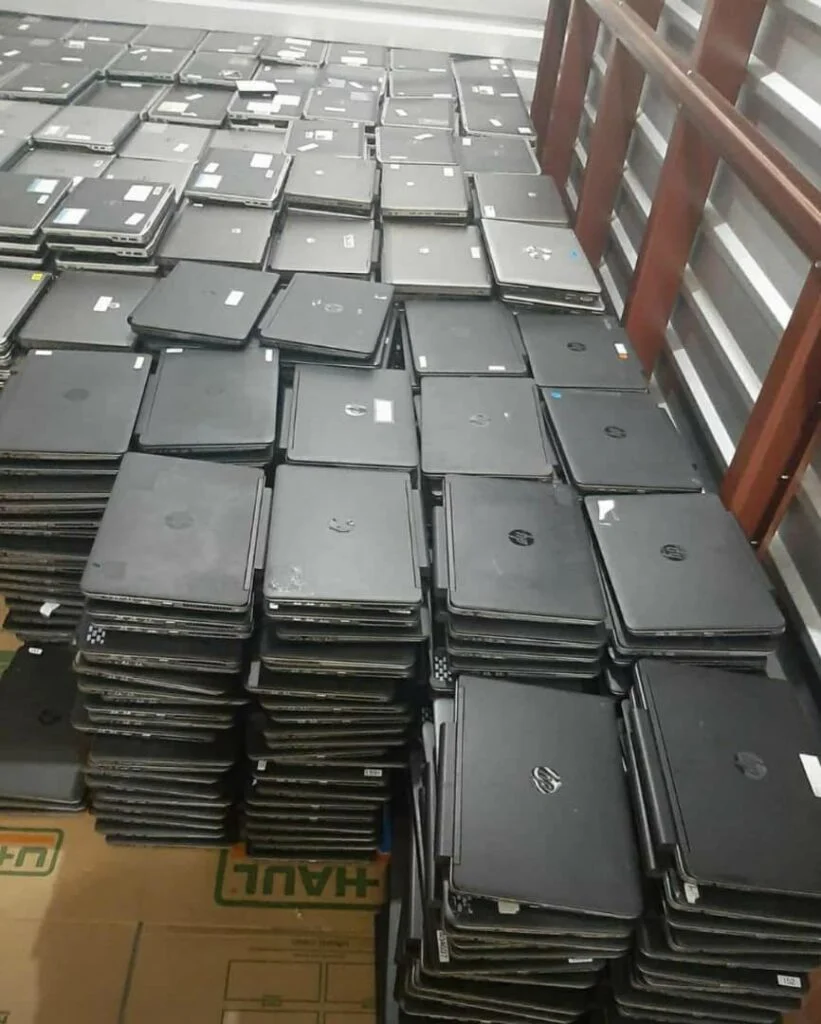
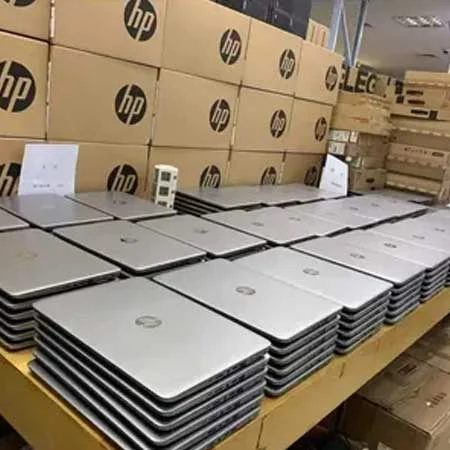
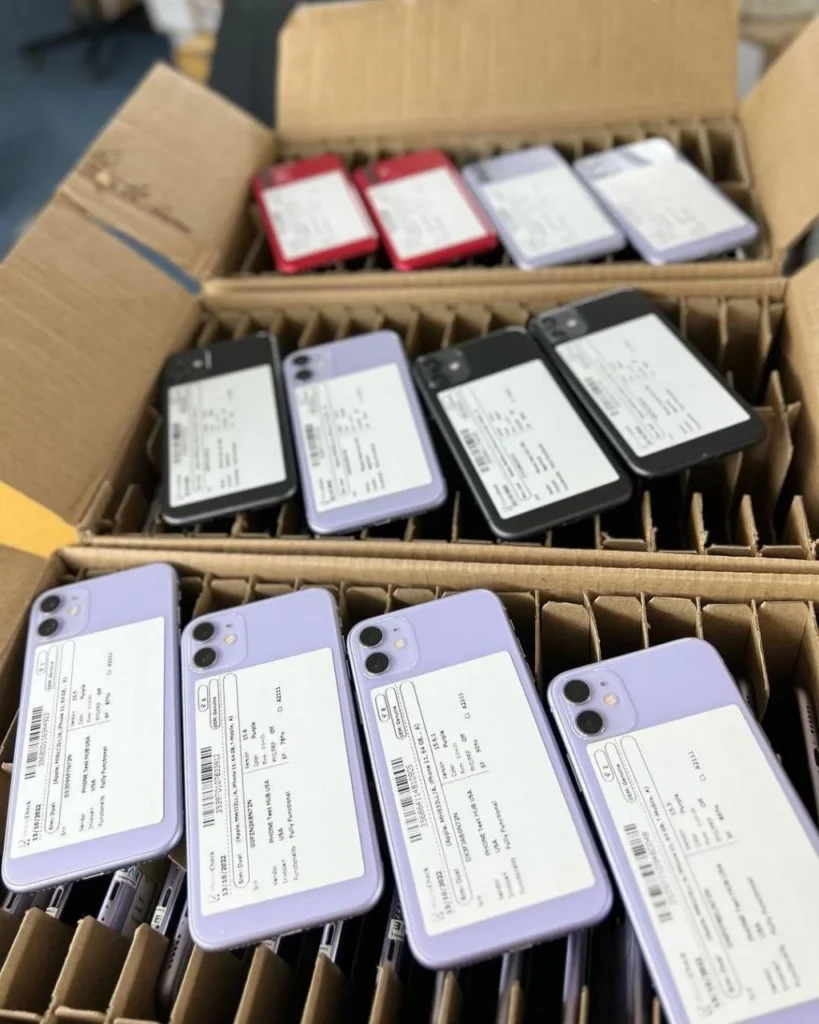
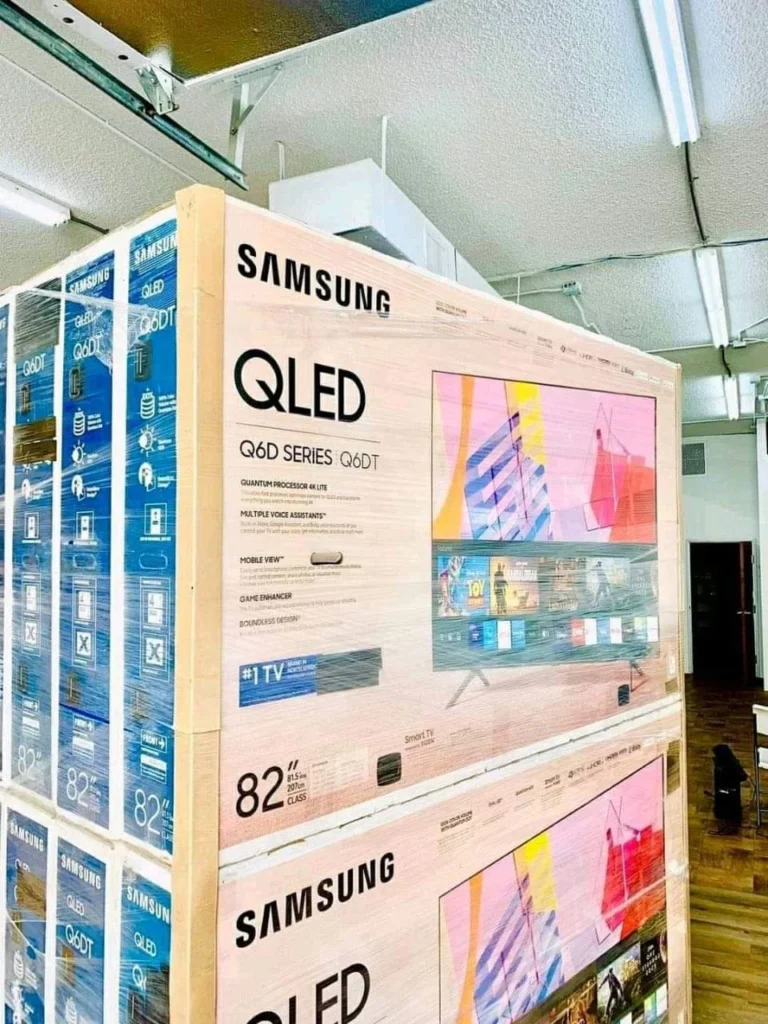
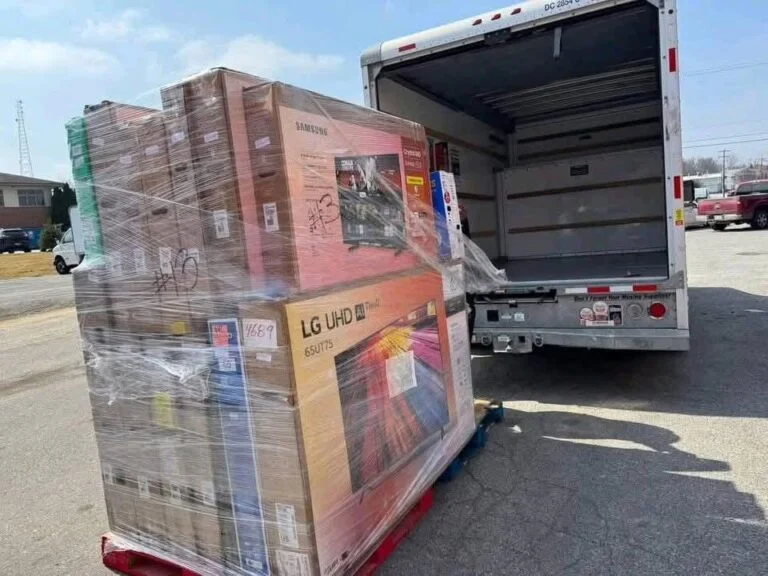
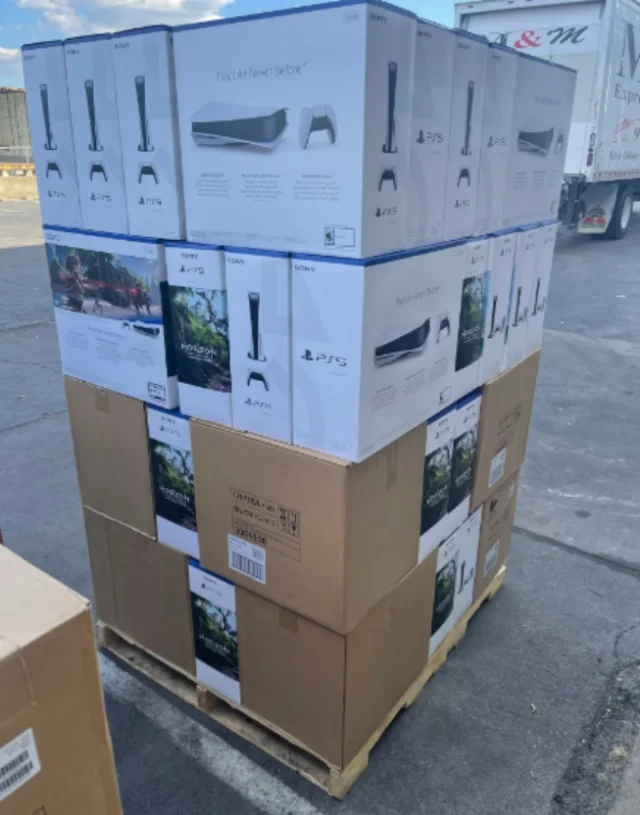
The phrase electronic pallets covers a wide range of merchandise. Depending on the supplier, you may find mobile devices, tablets, laptops, monitors, headphones, earbuds, Bluetooth speakers, gaming accessories, keyboards, mice, chargers, cameras, smart-home products, networking equipment, streaming devices, televisions, and other consumer electronics. Some lots are highly specialized, while others are mixed. A specialized pallet can be easier to process because the buyer already understands the product category and likely customer. A mixed pallet can offer more variety but requires broader knowledge. Before purchasing, consider what your business is equipped to handle. If you have limited storage space, a pallet of large televisions may create logistical challenges that a pallet of compact accessories would not. If you have technicians, a pallet containing repairable electronics may be more interesting than it would be for a beginner. If you sell primarily online, product size and shipping costs become particularly important. If you sell locally, bulky electronics may actually be easier to move because customers can collect them directly. The best pallet is therefore not necessarily the one with the highest advertised retail value. It is the pallet that fits your operation, customers, technical capabilities, storage capacity, and sales strategy.
Common Condition Categories
Condition is one of the most important factors when you buy pallets electronics. Liquidation inventory can range from new and sealed merchandise to open-box products, customer returns, used products, untested inventory, and salvage. Amazon’s published condition guidance distinguishes categories such as New and Renewed, with Renewed products requiring inspection and testing to meet the applicable standard. Liquidation suppliers may use different terminology, so never assume that a condition label has identical meaning across every marketplace. Ask what the supplier’s specific grade means. A pallet marked as customer returns may contain functional merchandise alongside incomplete or defective products. An untested pallet carries a different risk profile from a pallet that has already been inspected. Salvage inventory may be attractive to experienced repair businesses but can be unsuitable for buyers without technical skills. Your purchasing price should reflect these differences. If the merchandise is fully tested, complete, and ready for resale, it generally deserves a different valuation from merchandise requiring significant inspection. The key is to match the condition to your own capabilities. You are not simply buying products; you are buying products plus the work required to turn those products into sellable inventory.
How to Evaluate Electronic Pallets Before Buying
Before purchasing electronics liquidation pallets, establish a repeatable evaluation process. Begin with the product category, then examine the quantity, condition, photographs, manifest, seller information, location, freight terms, and payment requirements. If the pallet is manifested, review the individual products rather than relying on the combined retail value. A manifest can provide product names, model numbers, quantities, condition information, and other details depending on the marketplace. Current liquidation guidance recommends using the manifest to research actual products and comparing realistic resale prices rather than treating stated retail value as guaranteed revenue. This distinction matters because an item that originally sold for $500 may no longer command anything close to $500 in the secondary market. Technology changes quickly, competitors may offer newer versions, and used or incomplete merchandise sells differently from new merchandise. You should also estimate the number of products that may require repairs or replacement accessories. Then add freight and other acquisition expenses. Finally, compare your expected revenue against the complete cost. If the numbers only work under a perfect scenario, the purchase deserves additional caution. A strong buyer wants the economics to remain reasonable even when some units are defective, incomplete, or slower to sell than expected.
Why a Manifest Matters
A manifest is an itemized description of a liquidation lot. When available, it can make evaluating a pallet considerably easier because you can investigate individual products before committing to the purchase. Look for brand names, model numbers, SKUs, quantities, condition information, and any other available identifiers. For electronics, model numbers can be especially useful because they allow you to research the exact product rather than relying on a generic category description. However, a manifest is not the same thing as a guarantee of profit. A listed retail price may represent an original or reference value rather than what you can actually receive from today’s buyers. Recent liquidation resources specifically warn buyers against relying on retail totals alone and recommend researching realistic resale prices and comparable market conditions. You should also examine whether the manifest distinguishes working, damaged, untested, or incomplete merchandise. A pallet containing 40 units with detailed condition information is much easier to value than a pallet described only as “40 electronics returns.” The more uncertainty a listing contains, the more conservative your purchase calculation should become.
Buying Amazon Electronic Pallets
Amazon electronic pallets are a common search term among liquidation buyers looking for consumer technology in bulk. These lots are generally associated with Amazon-origin or Amazon-related liquidation inventory rather than ordinary products purchased through the Amazon retail storefront. Current 2026 industry guides describe Amazon liquidation inventory as potentially including customer returns, overstock, shelf pulls, and other bulk merchandise sold through liquidation channels. That distinction is important because a buyer should not assume that every website advertising an “Amazon pallet” is operated by Amazon itself. The actual seller, liquidation marketplace, lot description, condition, and transaction terms should be verified before payment. Buyers should also understand that Amazon-associated returns can vary significantly in condition. Some units may be unused or nearly new, while others may have cosmetic wear, missing accessories, technical problems, or account-lock issues. Amazon’s own seller condition guidelines emphasize careful assessment of product condition before assigning a condition to merchandise. If you are considering an Amazon electronic pallet, treat the Amazon association as information about the inventory’s possible origin, not as a guarantee about the condition or profitability of the merchandise.
Understanding Amazon Customer Returns
Customer returns are one of the most misunderstood areas of liquidation. A returned product may have been sent back because the buyer changed their mind, ordered the wrong item, received a duplicate, discovered a compatibility issue, or experienced an actual defect. That means the phrase “customer return” describes the product’s journey through the supply chain rather than guaranteeing a particular condition. Recent guides specifically emphasize that returns can range from functional and complete to damaged, incomplete, untested, or unsuitable for normal resale. This variation creates both opportunity and risk. A reseller with strong testing procedures may be able to recover value from inventory that a less experienced buyer would consider difficult. On the other hand, a buyer without testing equipment can quickly discover that an apparently cheap pallet requires more labor than expected. For that reason, your buying decision should account for your own capabilities. If you can test batteries, ports, displays, wireless connections, audio, cameras, and software functions, you have more information available when determining resale value. If you cannot perform those checks, prioritize lots with stronger condition documentation and lower uncertainty.
How to Calculate the Real Cost of a Pallet
The price printed on a liquidation listing is not necessarily your final cost. A professional buyer calculates the landed cost, which can include the pallet purchase price, buyer fees, freight, liftgate charges, taxes where applicable, unloading, storage, testing labor, repair parts, replacement accessories, packaging, marketplace fees, and outbound shipping. This calculation is essential because a pallet that appears inexpensive can become considerably more expensive after all additional costs are included. Recent buying guides specifically recommend evaluating the complete acquisition cost rather than focusing only on the purchase price. For example, imagine a pallet costs $800 and contains 40 units. The simple purchase cost appears to be $20 per unit. If freight adds $250 and another $100 is spent on accessories and repairs, the effective cost is already $1,150 before selling fees and labor. If five units are unsellable, the effective cost per usable unit increases again. This is why experienced resellers build conservative calculations before purchasing. They also consider inventory velocity. A product that can be sold within days is financially different from one that sits in storage for six months. Your objective should be to understand what each usable unit actually costs and what it can realistically generate after all expenses.
| Cost Factor | What to Include |
|---|---|
| Pallet purchase | Auction, wholesale, or negotiated price |
| Freight | Transportation and delivery charges |
| Buyer fees | Marketplace or transaction fees |
| Testing | Labor, tools, electricity, and time |
| Repairs | Replacement parts and technician labor |
| Accessories | Chargers, cables, remotes, batteries, adapters |
| Packaging | Boxes, labels, protective materials |
| Selling fees | Marketplace and payment-processing fees |
| Storage | Warehouse or storage-space cost |
| Unsold inventory | Expected loss on damaged or obsolete products |
Where to Find Electronic Pallets for Sale
There are several places where buyers can search for electronic pallets for sale, including liquidation marketplaces, local liquidation warehouses, wholesale suppliers, auctions, surplus sellers, and business-to-business distributors. Online marketplaces can provide a broader selection, while local suppliers can offer the advantage of inspection and pickup. Searching for electronic liquidation pallets near me can therefore be useful when freight represents a significant part of your budget. Local purchasing may also make it easier to build an ongoing relationship with a warehouse and learn how its inventory changes over time. However, being nearby does not automatically make a supplier trustworthy or a pallet profitable. You should still evaluate the seller’s business information, product descriptions, photographs, condition terminology, manifests, payment requirements, and transaction policies. If the supplier claims that the pallet contains high-value products, ask how that value was calculated. If a listing says the inventory is tested, determine what “tested” actually means. If the pallet is untested, price it accordingly. A professional supplier should be able to explain what the buyer is purchasing. A professional buyer should be willing to walk away when the information is insufficient.
Searching for Electronic Liquidation Pallets Near Me
The phrase electronic liquidation pallets near me is valuable because local sourcing can change the economics of a purchase. Freight is one of the easiest costs to underestimate, particularly when purchasing heavy or oversized electronics. A local warehouse may allow you to inspect the merchandise, arrange pickup, reduce transportation costs, and establish a relationship for future purchases. You can also ask whether the supplier offers volume discounts for repeat buyers or bulk purchases. When comparing local suppliers, ask similar questions to each business so you can make a meaningful comparison. Find out what categories are available, how inventory is graded, whether manifests are provided, whether inspection is permitted, and what happens when merchandise is incomplete or damaged. Take photographs and record inventory details during inspection when permitted. A physical inspection can help identify obvious packaging damage, missing components, and category mismatches, although it cannot replace functional testing when the products have not been tested. Local sourcing also provides an opportunity to learn what types of inventory a particular warehouse receives regularly. Over time, this can help you develop a more predictable purchasing pipeline.
Buying Affordable Electronics for Resale
The objective of sourcing affordable electronics is not simply to buy merchandise below retail. The real goal is to purchase inventory at a cost that leaves enough room for processing expenses, selling fees, customer returns, and a reasonable business margin. A common mistake is to focus on the discount percentage while ignoring actual market demand. A product can have a very high original retail price and still be difficult to resell if newer versions are available, the item is incomplete, or buyers can easily find cheaper alternatives. Before purchasing, investigate current resale prices for the specific models in the condition you expect to receive. Compare multiple sales channels because the price achievable on one platform may differ from another. Consider how quickly you can realistically sell the product. Slow-moving inventory ties up working capital and occupies storage space. This is particularly important when you are making repeated bulk purchases. If each pallet leaves you with a large amount of unsold merchandise, increasing the purchasing volume can make the problem larger rather than solving it. A disciplined buyer therefore measures inventory turnover as well as gross margin. The best opportunity is one where the purchase price, expected recovery, processing requirements, and sales velocity all work together.
Testing Electronics Before Resale
Testing is one of the most important stages of processing electronics liquidation pallets. The exact test depends on the product. Smartphones and tablets may require checks of the display, touchscreen, cameras, speakers, microphone, charging port, wireless connectivity, battery condition, and account status. Headphones and speakers require audio and Bluetooth testing. Computers may require checks of the display, keyboard, ports, storage, operating system, battery, wireless connectivity, and other core functions. Cables and chargers should be tested for proper operation and compatibility. Large electronics may require a more extensive functional test before being listed. Recent liquidation guidance specifically recommends testing electronics rather than assuming that a returned product works simply because it appears clean or powers on. Testing also helps you grade products accurately. You can separate fully functional merchandise from products requiring minor work, products suitable for parts, and products that are not economically repairable. That classification gives you more control over pricing. It also protects your customers because the listing can accurately describe what the buyer will receive. A reliable testing workflow can become one of the most valuable assets in an electronics liquidation business because it turns uncertain inventory into categorized inventory.
Missing Accessories and Account Locks
A product can appear functional while still being difficult to sell because important accessories are missing. Chargers, proprietary cables, remotes, adapters, batteries, stands, mounting hardware, and other components can determine whether a product is complete. Before purchasing a pallet, consider the replacement cost of commonly missing accessories. An inexpensive cable may be easy to replace, while a proprietary charger or specialized component can materially reduce the value of a product. Account locks create another issue with returned electronics. Some devices may remain associated with a previous owner’s account or security system, making them difficult or impossible to resell normally until the lock is legitimately removed. Recent liquidation guidance specifically identifies account-lock problems as a risk when handling returned electronics. This is why testing should go beyond simply pressing the power button. A device needs to be evaluated in a way that reflects how the next customer will actually use it. If a product cannot be legitimately reset or activated, it should not be represented as fully ready for normal resale. Honest grading protects both the buyer and your business reputation.
Sorting and Grading Your Electronics Pallet
Once the pallet arrives, organize the inventory immediately. Do not allow boxes to remain stacked indefinitely while you decide what to do. A practical workflow is to create separate areas for products ready to sell, products requiring testing or minor work, products suitable for bundles or parts, and products that are economically unsellable. Recent liquidation-processing guidance recommends using clear disposition categories so merchandise does not repeatedly move around the warehouse without a decision. This process saves time because every unit receives a defined next step. A product that works perfectly can move toward photography and listing. A product missing a cable can move to an accessory-replacement station. A product with a repairable issue can move to the technician. A damaged product can be evaluated for parts value. A product that has no realistic economic recovery can be separated immediately. The objective is to prevent uncertain inventory from becoming permanent warehouse clutter. Every item should eventually become a sale, a repair project, a parts lot, a donation/recycling decision, or another clearly defined outcome. The longer merchandise remains undecided, the more storage and labor it consumes.
How to Resell Electronics From Liquidation Pallets
Once products have been tested and graded, choose the sales channel that matches the merchandise. Small electronics can work well with online marketplaces because they are relatively easy to photograph, list, package, and ship. Larger products may make more sense through local marketplaces because freight can consume a significant portion of the sale price. Some resellers also sell wholesale bundles to other businesses, especially when they have large quantities of similar products. The key is to avoid using one sales strategy for every product. A premium laptop may deserve an individual listing, while several inexpensive accessories might make more sense as a bundle. Broken products may have more value when sold together to a repair buyer than when individually listed. Accurate descriptions are essential. State the condition, explain what is included, disclose defects, and identify whether the product has been tested. Current resale guidance emphasizes detailed condition descriptions and photographs because transparency can reduce misunderstandings and returns. Your listing is not merely advertising; it is part of the customer’s buying decision. The clearer the information, the more likely you are to attract the right buyer.
Creating Better Electronics Listings
A strong listing should make it easy for a customer to understand exactly what is being sold. Include the brand, model, major specifications, condition, included accessories, functionality, and any known cosmetic issues. Photograph the product from several angles and show important labels or model numbers when appropriate. If there is a scratch, dent, screen mark, missing accessory, or other issue, photograph it clearly rather than hiding it. Accurate descriptions build trust and help reduce avoidable disputes. Pricing should be based on current market conditions rather than the original retail price alone. Research comparable products in comparable conditions and consider the fees associated with your chosen marketplace. You should also account for shipping and packaging. A low selling price is not necessarily attractive if the shipping cost consumes the remaining margin. The same principle applies to expensive products. Customers compare listings, so your price must reflect the actual condition and value you provide. Professional presentation can make liquidation inventory appear more organized and trustworthy, but presentation should never be used to conceal defects. Good merchandising makes accurate information easier to understand.
Common Mistakes When Buying Liquidation Pallets
One of the biggest mistakes when purchasing liquidation pallets is assuming that every product will be ready for resale. Liquidation merchandise exists precisely because it has left a conventional retail inventory path, and its condition can vary. Another mistake is relying entirely on the advertised retail value. A high retail figure does not guarantee high resale revenue. Buyers also underestimate freight, overlook missing accessories, ignore testing labor, purchase categories they do not understand, and buy more inventory than they can process. Recent 2026 guidance repeatedly emphasizes condition, manifests, processing requirements, freight, and realistic resale value as central factors in evaluating liquidation purchases. Another common problem is buying unmanifested electronics simply because the advertised price looks attractive. Mystery inventory can sometimes create opportunities, but the uncertainty should be reflected in the price and should match the buyer’s risk tolerance and experience. New buyers may be better served by learning with smaller, better-documented lots before committing significant capital. Finally, do not allow excitement to override your predetermined purchase limit. If the economics no longer make sense, walking away is a business decision, not a missed opportunity.
Building a Long-Term Electronics Liquidation Business
A successful electronic liquidation business depends on creating a repeatable process. Start with sourcing. Identify suppliers whose inventory categories and condition standards fit your operation. Then establish a receiving process that records what arrives. After that, test and grade each item consistently. Create standardized listing templates so products can move from testing to sale efficiently. Track the financial performance of every pallet, including purchase price, freight, number of sellable units, repair costs, sales revenue, fees, and remaining inventory. This information allows you to compare your expectations with actual results. Over several purchases, patterns become visible. Perhaps headphones consistently sell quickly while televisions require too much storage. Perhaps open-box tablets perform well while untested laptops require too much repair work. Your own data becomes a purchasing guide. When the process becomes reliable, you can consider increasing bulk purchases. But scaling should be based on evidence. Buying more pallets does not automatically create more profit if your existing process has problems. Scale works best when sourcing, testing, listing, fulfillment, and customer service can all handle the additional volume.
Comparing Different Electronics Pallet Strategies
| Strategy | Main Advantage | Main Challenge | Best Fit |
|---|---|---|---|
| New/overstock pallets | Lower condition uncertainty | Higher purchase cost | Retail-focused sellers |
| Open-box pallets | Potentially strong resale value | Requires inspection | Online resellers |
| Customer returns | Lower acquisition cost may be possible | Mixed conditions | Experienced resellers |
| Untested pallets | Lower entry price may be available | High uncertainty | Skilled testers/repairers |
| Salvage pallets | Parts and repair opportunities | Significant defect risk | Repair businesses |
| Category-specific pallets | Easier processing | Less product variety | Specialized sellers |
| Mixed electronics pallets | Broad inventory selection | More testing complexity | Established operations |
Final Thoughts on How to Buy Pallets Electronics
The smartest way to buy pallets electronics is to approach every purchase with a clear valuation process. Start by deciding what categories fit your business. Then research the supplier, inspect the condition information, review the manifest when available, calculate the landed cost, estimate realistic resale prices, and determine how much processing the inventory will require. Whether you are searching for electronic pallets for sale, electronic liquidation pallets, Amazon electronic pallets, or electronic liquidation pallets near me, these principles remain important. Do not confuse original retail value with guaranteed revenue. Do not assume that customer returns are automatically defective, but do not assume they are automatically ready for resale either. Current liquidation resources consistently emphasize the importance of understanding condition, documentation, testing, freight, and actual market value before purchasing.
The opportunity in electronic pallets comes from buying intelligently and adding value through organization, testing, grading, presentation, and customer service. A reseller can turn one pallet into many individual products, bundles, parts lots, or local sales. That flexibility is what makes liquidation attractive. At the same time, the business requires discipline because technology products can change quickly and defective inventory can consume capital. The strongest approach is to measure everything: acquisition cost, sellable percentage, average selling price, repair expense, sales velocity, and final recovery. With those numbers, you can determine which suppliers and categories actually work for your business instead of relying on assumptions. Whether you are starting with one electronic pallet or planning regular bulk purchases, the same rule applies: buy based on evidence, process inventory efficiently, and price products according to their real condition and current market demand.
Frequently Asked Questions
Are electronic liquidation pallets worth buying?
They can be useful for resellers when the inventory, condition, purchase price, processing requirements, and expected resale demand fit the buyer’s business model. There is no universal value for every pallet because contents and condition vary significantly. A manifested pallet with clearly identified products can be easier to evaluate than an unmanifested lot. Buyers should calculate the complete landed cost before purchasing and avoid assuming that the stated retail value represents guaranteed resale revenue. Electronics can require testing, repairs, accessories, and careful grading, so the buyer’s experience and resources matter.
What should I look for in electronic pallets for sale?
Look for clear product descriptions, realistic condition information, photographs, a useful manifest when available, transparent seller information, and clearly stated shipping or pickup terms. Check product quantities and model numbers where possible. Research current resale prices for the actual products instead of relying only on original retail prices. Also consider whether you have the equipment and knowledge required to test the merchandise. A good pallet should fit your sales channel, storage capacity, budget, and processing capabilities.
Are Amazon electronic pallets brand new?
Not necessarily. Amazon electronic pallets can refer to liquidation lots associated with customer returns, overstock, shelf pulls, or other bulk inventory, and condition can vary. Current 2026 sources emphasize that Amazon-associated liquidation merchandise should be evaluated according to its actual lot type and condition rather than the Amazon name alone. Buyers should verify the seller and transaction details and carefully review the condition description before purchasing.
How do I find electronic liquidation pallets near me?
Search for local liquidation warehouses, wholesale suppliers, liquidation auctions, and electronics surplus businesses in your area. The search phrase electronic liquidation pallets near me can help identify nearby options, but proximity should not replace due diligence. Ask about inspection opportunities, manifests, condition grades, inventory categories, pickup arrangements, and payment policies. Compare the complete cost of local pickup with delivered pallets from other suppliers. A slightly higher pallet price may sometimes make sense if it significantly reduces transportation or processing costs.
Can I make bulk purchases of electronic pallets?
Yes, bulk purchases can be part of a larger liquidation sourcing strategy when the buyer has sufficient storage, working capital, processing capacity, and sales demand. Before increasing volume, track the performance of previous pallets. Measure how many products were functional, how many required repairs, how quickly inventory sold, and how much revenue was actually recovered. If your process can consistently handle the volume, larger purchases may make operational sense. However, buying more inventory also increases exposure to defects, storage costs, and slow-moving merchandise, so volume should be increased based on actual business data rather than assumptions.







Reviews
There are no reviews yet.