
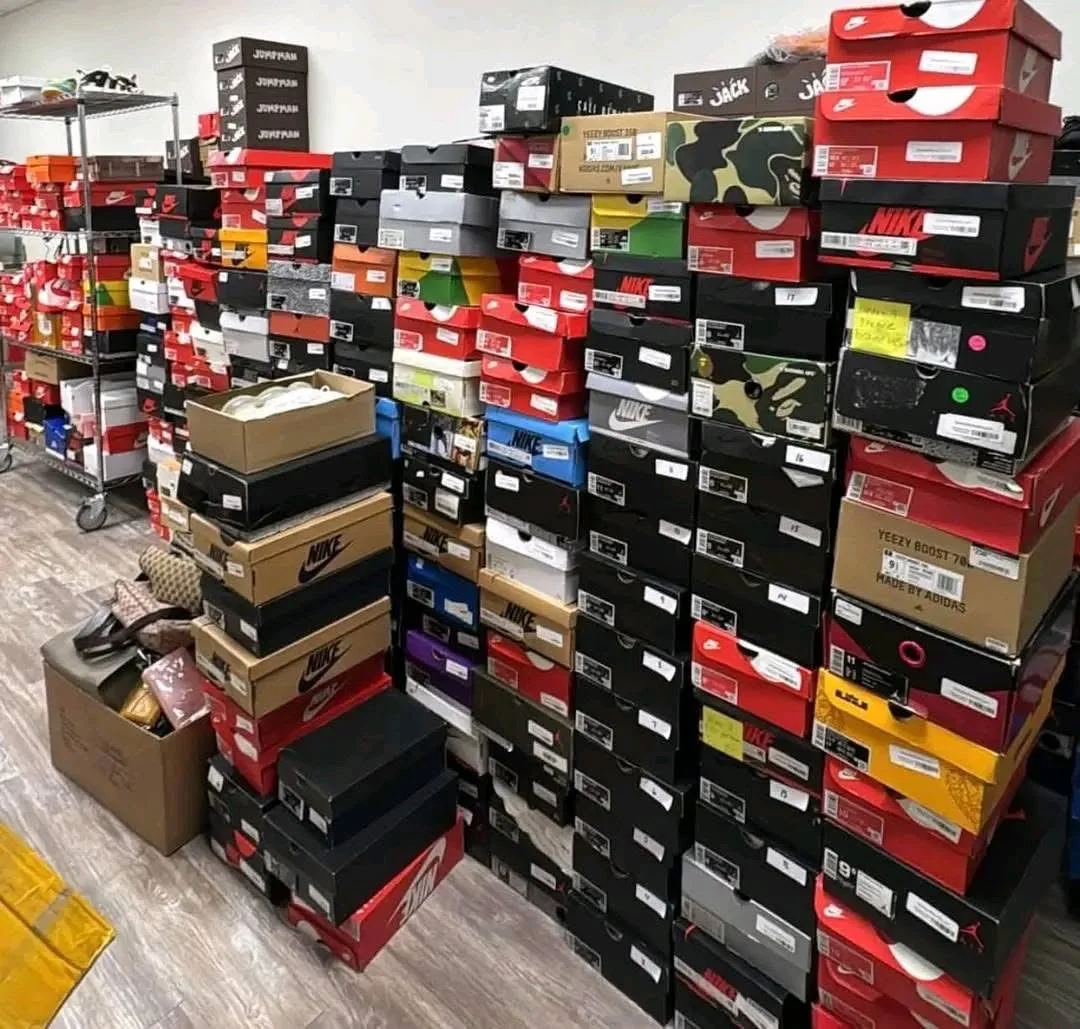
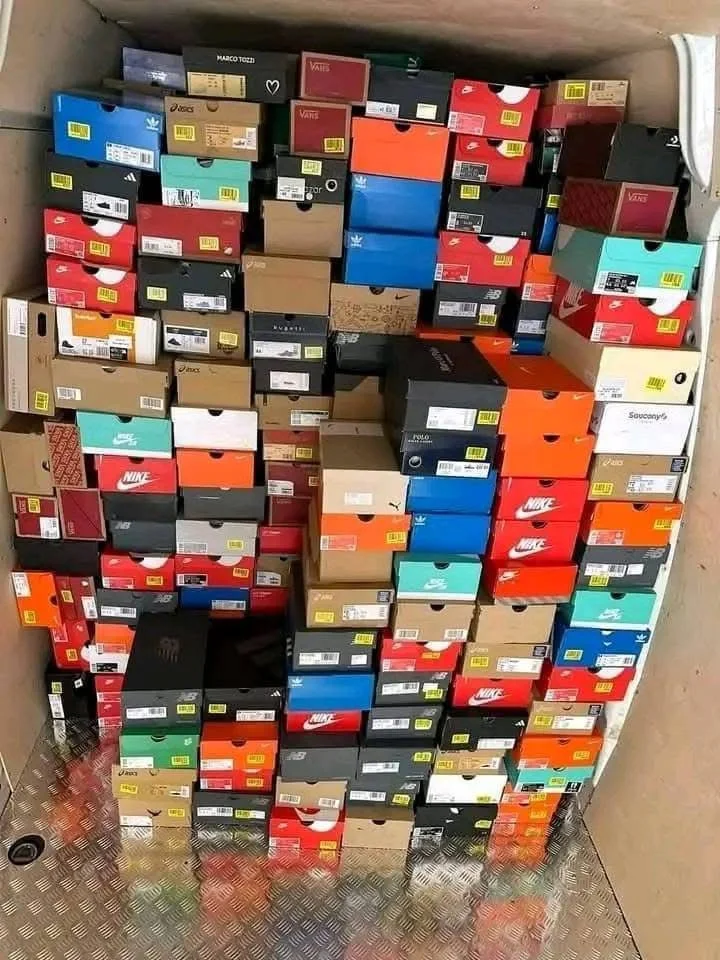
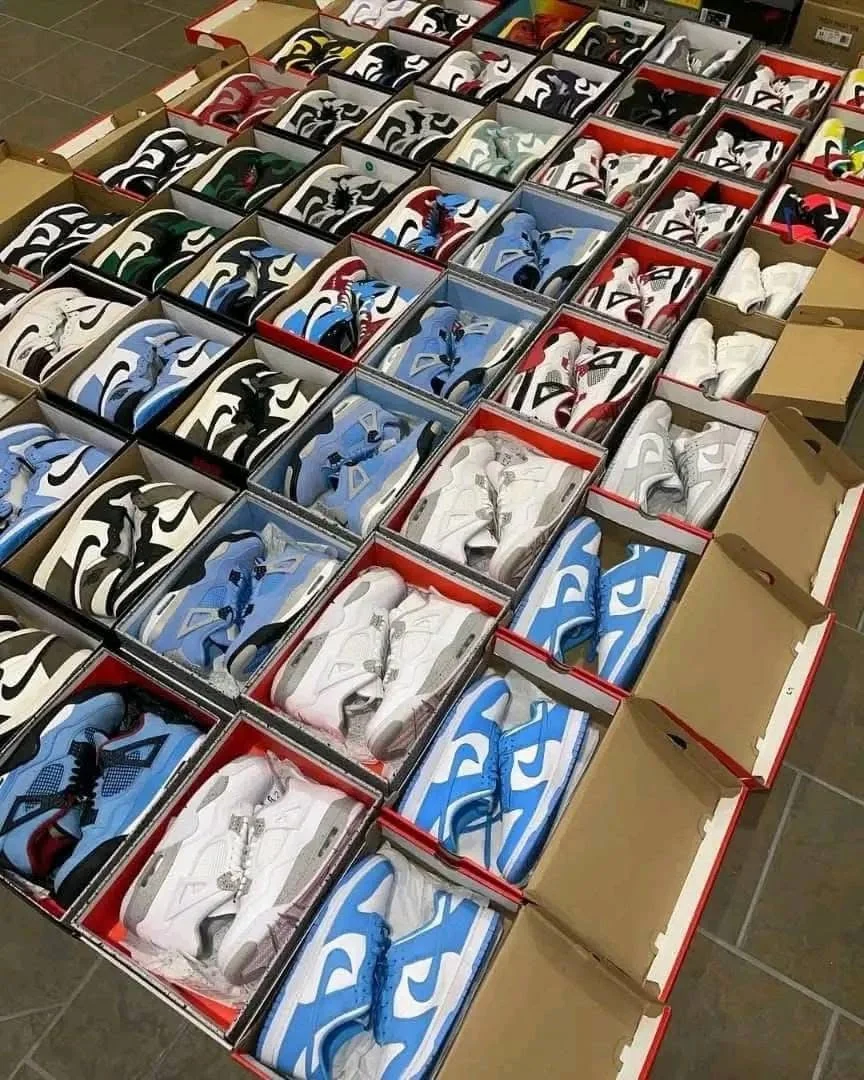
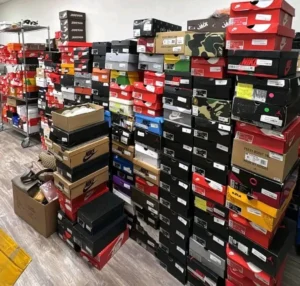
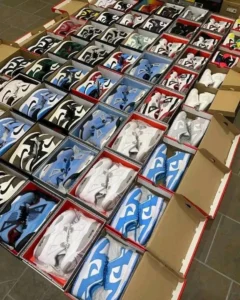
Wholesale Mixed Shoes Pallet (100 Pairs)
-
 Pick up from the Woodmart Store

To pick up today
Free
-
Courier delivery

Our courier will deliver to the specified address
2-3 Days
From $40
-
DHL Courier delivery

DHL courier will deliver to the specified address
1-2 Days
From $40
Shop the best shoes pallets with assorted footwear for resellers and retailers. Explore wholesale shoe pallets, bulk inventory, and liquidation footwear at great prices.
$600.00
Description
Shoes Pallets: The Complete Guide to Wholesale, Liquidation, and Reselling
Shoes pallets are an increasingly popular inventory option for retailers, wholesalers, online sellers, discount stores, and entrepreneurs looking to purchase footwear in larger quantities. Instead of sourcing individual pairs from traditional retail channels, businesses can purchase bulk lots and organize the inventory for resale through their preferred sales channels.
The footwear market offers an exceptionally broad range of products. Depending on the supplier, a pallet can contain sneakers, athletic shoes, boots, sandals, casual footwear, children’s shoes, work shoes, fashion footwear, or a combination of different categories.
For businesses, this variety creates opportunities to serve different customer groups. However, successful pallet purchasing requires more than finding a low price. Buyers need to evaluate product condition, size distribution, brand mix, shipping costs, demand, and expected resale value before committing to an order.
This comprehensive guide explains how shoes pallets work, what buyers should look for when purchasing wholesale and liquidation footwear, and how retailers and resellers can build a profitable inventory strategy.
What Are Shoes Pallets?
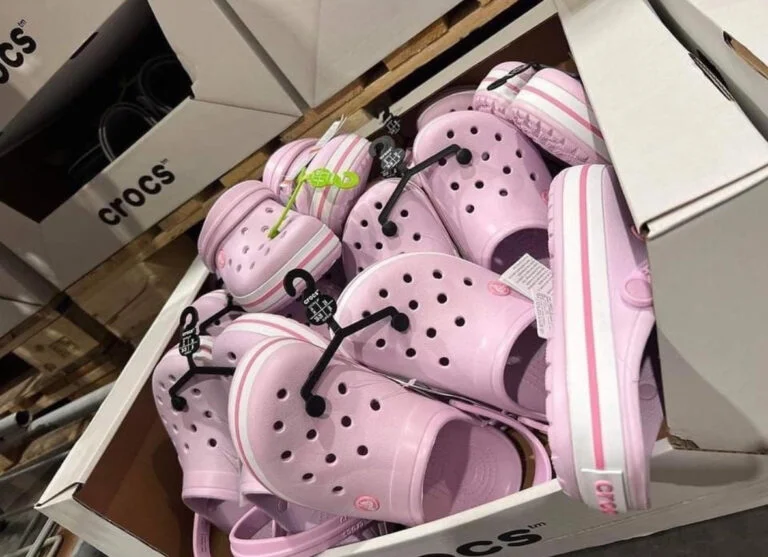
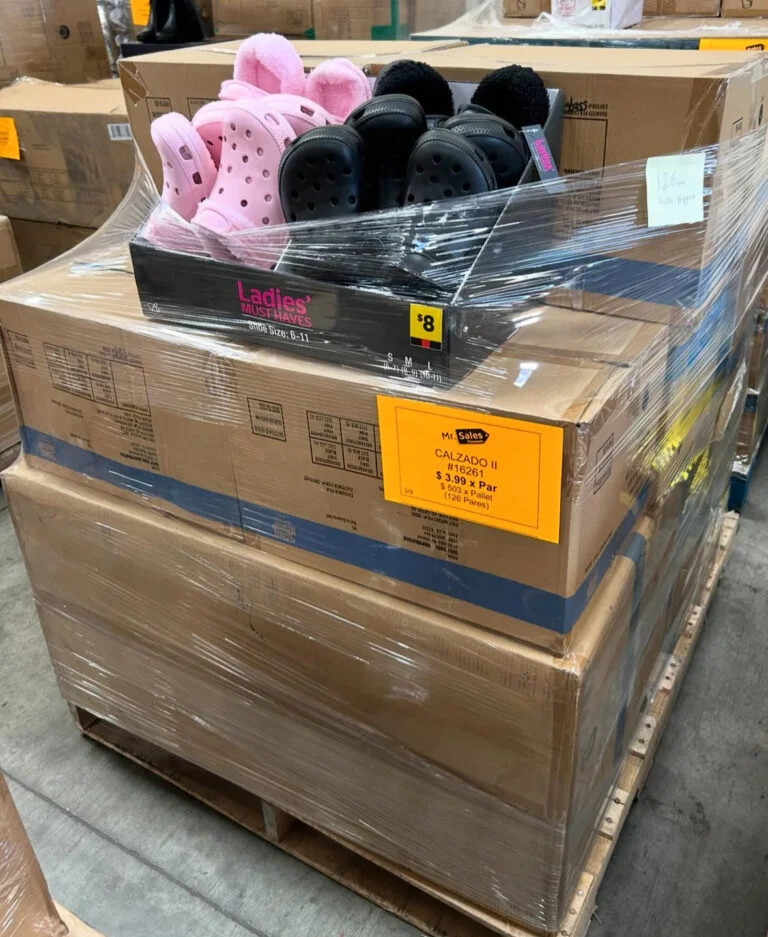
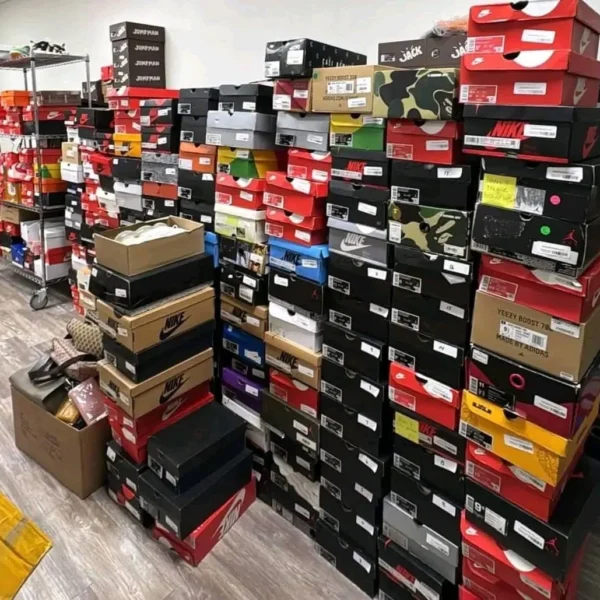
Shoes pallets are bulk quantities of footwear packaged and sold together for wholesale, liquidation, or resale purposes. Instead of purchasing one pair at a time, a buyer acquires a larger quantity through a single transaction.
A pallet can contain identical products, several styles from the same category, or a mixed selection of footwear.
Depending on the inventory source, the products may be new, overstock, shelf pulls, customer returns, open-box merchandise, or mixed-condition inventory.
Why Businesses Buy Shoe Pallets
Bulk purchasing can simplify inventory sourcing.
Instead of spending hours finding individual pairs, a retailer can purchase a pallet containing multiple products and then sort the footwear according to size, style, brand, gender, and condition.
The inventory can then be distributed across different sales channels.
Businesses may purchase pallets to:
- Expand their footwear selection
- Supply physical stores
- Stock online stores
- Sell individual pairs
- Create shoe bundles
- Supply other retailers
- Test new product categories
- Build a dedicated resale business
Shoes Pallets for Sale
When searching for shoes pallets for sale, buyers should evaluate the entire deal rather than focusing only on the listed price.
The number of pairs is important, but it is only one part of the equation.
A pallet containing 100 pairs may look inexpensive until you discover that several pairs are damaged, incomplete, or difficult to sell.
What Determines Pallet Value?
The value of a footwear pallet can depend on:
- Number of pairs
- Brand mix
- Product category
- Condition
- Size distribution
- Seasonality
- Current demand
- Packaging
- Shipping
- Supplier reputation
- Expected resale prices
A high-quality pallet should fit your customer base and sales strategy.
Wholesale Shoes Pallets for Sale
Wholesale shoes pallets for sale are designed for businesses that want to acquire footwear in larger quantities.
Wholesale purchasing can provide an efficient way to stock a store or online business, especially when the buyer already understands their target market.
Who Buys Wholesale Shoe Pallets?
Potential buyers include:
- Shoe stores
- Clothing retailers
- Online sellers
- Discount stores
- Marketplace sellers
- Boutique businesses
- Flea-market vendors
- Exporters
- Wholesale distributors
- Shoe resellers
Before purchasing, determine whether the pallet is primarily new wholesale inventory or liquidation inventory.
Wholesale Shoe Pallets
Wholesale shoe pallets can contain a broad range of footwear.
Some buyers want consistent products, while others prefer mixed inventory.
A retailer may choose a pallet containing one category, such as athletic footwear, while a reseller may prefer a mixed assortment.
Shoe Pallets Wholesale
The shoe pallets wholesale market provides opportunities for businesses that need larger quantities at business-oriented pricing.
However, wholesale buyers should calculate their complete acquisition cost.
Consider the purchase price, shipping, storage, packaging, marketplace fees, and any labor needed to prepare products for resale.
Shoes Pallets Wholesale
Businesses searching for shoes pallets wholesale should compare suppliers based on more than price.
Look at product descriptions, condition, quantity, shipping arrangements, inventory transparency, and customer support.
A slightly more expensive pallet may offer better-quality merchandise and ultimately produce better results.
Shoes Wholesale Pallets
Shoes wholesale pallets can provide retailers with a large selection of footwear through one purchase.
For established businesses, this can reduce the amount of time spent sourcing individual products.
Wholesale Shoes and Wholesale Footwear
The terms wholesale shoes and wholesale footwear cover a wide range of products.
A wholesale footwear inventory can include:
- Sneakers
- Running shoes
- Casual shoes
- Boots
- Sandals
- Work shoes
- Children’s footwear
- Fashion footwear
- Athletic shoes
The right product mix depends on your target market.
Buy Shoes Pallets Wholesale
Businesses that buy shoes pallets wholesale should have a clear purchasing strategy.
Before placing an order, establish your target customer, preferred product categories, acceptable condition, storage capacity, and available sales channels.
Questions to Ask Before Buying
Ask the supplier:
- How many pairs are included?
- What brands are represented?
- What sizes are available?
- What is the condition?
- Are the products new or returned?
- Is a manifest available?
- Are all pairs complete?
- Are original boxes included?
- What is the shipping cost?
- What are the supplier’s purchasing terms?
The more information you have before purchasing, the easier it is to evaluate the opportunity.
Bulk Shoes Pallets for Resellers
Bulk shoes pallets for resellers can be useful for entrepreneurs who sell individual pairs through multiple channels.
A reseller may purchase one pallet and distribute the inventory across an online store, marketplace listings, social media, local sales, and physical events.
Why Bulk Shoes Can Work for Resellers
The primary advantage is inventory volume.
A single pallet can potentially provide dozens or hundreds of products to list, depending on the pallet size and supplier.
This creates more opportunities to test different styles and price points.
Bulk Shoes for Resale
Businesses interested in bulk shoes for resale should focus on products that have a realistic customer market.
Do not purchase a large quantity simply because the wholesale price appears low.
Research what customers are currently buying and what price points are realistic.
Mixed Shoes Liquidation Pallets
Mixed shoes liquidation pallets can contain multiple footwear categories, brands, sizes, and styles.
Mixed pallets can be attractive because they offer variety.
However, variety also creates additional sorting and inventory-management work.
Advantages of Mixed Pallets
Mixed pallets can provide:
- Greater product variety
- Multiple customer segments
- More individual listings
- Different price points
- Opportunities to test categories
Challenges of Mixed Pallets
The main challenge is unpredictability.
The buyer may receive products that require different pricing strategies or appeal to different customers.
For this reason, mixed pallets work best for resellers who are comfortable managing diverse inventory.
Branded Shoes Liquidation Pallets
Branded shoes liquidation pallets can attract buyers who want recognizable footwear brands.
Brand recognition can help a reseller attract customers, but buyers should never rely on brand name alone.
The product’s model, condition, size, authenticity, and current demand all matter.
Authenticity Matters
When purchasing branded liquidation footwear, verify authenticity wherever possible.
Inspect labels, logos, packaging, product codes, stitching, materials, and other relevant details.
If authenticity cannot be established, sellers should avoid making unsupported claims.
Customer trust is essential to building a sustainable footwear business.
Shoe Pallets for Small Businesses
Shoe pallets for small businesses can provide an opportunity to expand inventory without requiring a large retail footprint.
Small businesses can use pallet inventory for online sales, pop-up shops, local retail, or specialty footwear markets.
Start With a Manageable Quantity
A small business should avoid purchasing more inventory than it can store and sell.
Start with a quantity that fits your available working capital and storage space.
Track which styles and sizes sell most quickly and use that information to guide future purchases.
Wholesale Shoe Pallets for Resellers
Wholesale shoe pallets for resellers can help online entrepreneurs build a larger product catalog.
When selling online, product presentation is critical.
Take clear photographs of every pair and provide accurate descriptions.
What to Include in a Shoe Listing
Include:
- Brand
- Model
- Size
- Gender category
- Color
- Condition
- Material where known
- Packaging status
- Visible defects
- Measurements where useful
Accurate listings help customers make informed decisions.
Shoes Liquidation Pallets
Shoes liquidation pallets are bulk footwear lots sold through liquidation channels.
Liquidation inventory can originate from excess stock, customer returns, discontinued products, store closures, seasonal clearance, or warehouse inventory.
The condition can vary significantly.
Liquidation Shoes
Liquidation shoes can include new products as well as customer returns and open-box merchandise.
Always confirm the condition before purchasing.
Liquidation Footwear
The term liquidation footwear covers footwear being cleared through secondary channels.
Buyers should understand the grading system used by the supplier.
Footwear Liquidation Pallets
Footwear liquidation pallets can provide a large amount of inventory through one purchase.
The potential benefit is lower acquisition costs, but the buyer assumes more responsibility for evaluating inventory condition and resale potential.
Surplus Shoes and Overstock Shoes
Surplus shoes are excess footwear that a business needs to move.
Overstock shoes similarly represent inventory that exceeds current demand or storage requirements.
These products can sometimes be attractive to resellers because they may be unused and still have their original packaging.
However, always verify the actual condition rather than assuming all surplus inventory is new.
Shoe Pallets for Resellers
Shoe pallets for resellers can support different business models.
A reseller may specialize in sneakers, women’s footwear, children’s shoes, boots, athletic products, or mixed inventory.
Choose a Niche
Specializing can make sourcing and marketing easier.
For example, a reseller focusing on athletic footwear can develop a customer base interested specifically in sneakers and performance shoes.
Another seller may prefer mixed footwear because it attracts a broader audience.
Shoes Pallets for Sale: Evaluating Size Distribution
Size distribution is one of the most important factors in footwear liquidation.
A pallet containing common sizes across multiple categories may be easier to sell than a pallet concentrated in unusual sizes.
Ask the supplier whether size information is available.
If a manifest exists, examine the size breakdown before purchasing.
Why Size Distribution Matters
Customers typically search for specific sizes.
Even high-quality shoes can remain unsold if the available sizes do not match customer demand.
For this reason, size distribution should be considered alongside brand and style.
Inspecting Shoes Before Resale
Liquidation footwear may require preparation before listing.
Inspect every pair for:
- Matching shoes
- Correct size
- Sole condition
- Upper condition
- Stains
- Odors
- Scratches
- Missing laces
- Missing accessories
- Packaging damage
Products with significant defects should be separated from ready-to-sell inventory.
Cleaning and Presentation
Depending on the condition, shoes may require cleaning or basic preparation.
Always describe the actual condition honestly in the final listing.
How to Price Wholesale and Liquidation Shoes
Pricing should be based on market demand and total costs.
Calculate your effective acquisition cost per pair.
Include:
- Pallet price
- Shipping
- Storage
- Cleaning
- Packaging
- Marketplace fees
- Payment processing
- Advertising
- Returns
Then compare the total cost with realistic selling prices.
Avoid Using Retail Price as Your Only Benchmark
Original retail price does not necessarily equal current resale value.
A discontinued product may have limited demand, while a popular style may command a stronger resale price.
Research current comparable listings and completed sales where possible.
Building a Shoe Resale Business
A successful shoe resale operation requires consistent sourcing and careful inventory management.
Track your results from every pallet.
Record:
- Purchase cost
- Shipping
- Number of sellable pairs
- Average selling price
- Time to sale
- Returns
- Fees
- Net profit
This data will help you determine which types of pallets are worth purchasing again.
Scale Based on Results
If a specific category sells quickly and consistently, consider purchasing more of that category.
If certain products remain unsold, reduce future purchases or adjust your pricing and marketing strategy.
A data-driven approach is more reliable than simply buying whatever pallet has the lowest advertised price.
Common Mistakes When Buying Shoe Pallets
One common mistake is buying a pallet without understanding its condition.
Another is ignoring shipping costs.
A third is purchasing too much inventory before testing the market.
Don’t Ignore Supplier Transparency
A supplier should be able to explain the general condition and composition of the merchandise.
Be cautious if important information is unavailable or unclear.
Don’t Assume Every Pair Is Sellable
Returns and mixed-condition liquidation pallets can contain products that require cleaning, repair, repackaging, or disposal.
Build a realistic estimate of your sellable inventory before calculating potential profit.
Frequently Asked Questions About Shoes Pallets
What are shoes pallets?
Shoes pallets are bulk lots of footwear packaged and sold together for wholesale, liquidation, or resale. They can contain different brands, styles, sizes, and conditions.
Where can I find shoes pallets for sale?
Buyers can research wholesale distributors, liquidation suppliers, warehouse sellers, and other bulk footwear sources. Always evaluate the supplier and inventory before purchasing.
Are wholesale shoe pallets profitable?
They can be profitable for businesses that purchase suitable inventory at a reasonable cost and have effective sales channels. Profitability depends on product quality, demand, costs, and selling prices.
What are mixed shoes liquidation pallets?
Mixed shoes liquidation pallets contain different types, brands, styles, or sizes of footwear. They can provide variety but require more sorting and inventory management.
Are branded shoes liquidation pallets worth buying?
They can be attractive if the products are authentic, in sellable condition, and have sufficient market demand. Buyers should verify authenticity and inspect inventory carefully.
Are shoe pallets suitable for small businesses?
Yes. Shoe pallets for small businesses can provide a way to acquire multiple products without sourcing each pair individually. Small businesses should choose quantities that fit their storage and cash-flow capabilities.
What are liquidation footwear pallets?
Liquidation footwear pallets are bulk lots of footwear sold through liquidation channels. They may include overstock, surplus, returns, shelf pulls, or other excess inventory.
How do I start selling shoes from pallets?
Begin by selecting a target market, finding reliable inventory, calculating your complete acquisition cost, inspecting products, photographing each pair, creating accurate listings, and tracking sales performance.
Conclusion
The market for shoes pallets offers opportunities for retailers, wholesalers, small businesses, and online resellers looking to acquire footwear in bulk.
From shoes pallets for sale and wholesale shoes pallets for sale to shoes liquidation pallets for sale, there are multiple sourcing models available. Buyers can also explore buy shoes pallets wholesale, bulk shoes pallets for resellers, mixed shoes liquidation pallets, and branded shoes liquidation pallets depending on their business model.
The most successful buyers understand that the cheapest pallet is not always the best pallet. Product condition, size distribution, brand mix, shipping costs, customer demand, and total acquisition cost all influence the potential value of the inventory.
For smaller operations, shoe pallets for small businesses can provide a practical way to expand product selection. Established sellers can consider wholesale shoe pallets for resellers, bulk shoes for resale, and footwear pallets for resellers when they have sufficient storage and sales capacity.
Whether your goal is to sell wholesale shoes, wholesale footwear, bulk shoes, or shoes in bulk, the fundamentals remain the same: know what you are buying, understand your costs, verify product condition, and build your inventory around genuine customer demand.
With careful sourcing, accurate product listings, disciplined inventory management, and a strong understanding of your market, shoe pallets can become a valuable inventory source for a growing footwear resale business.

Reviews
There are no reviews yet.