


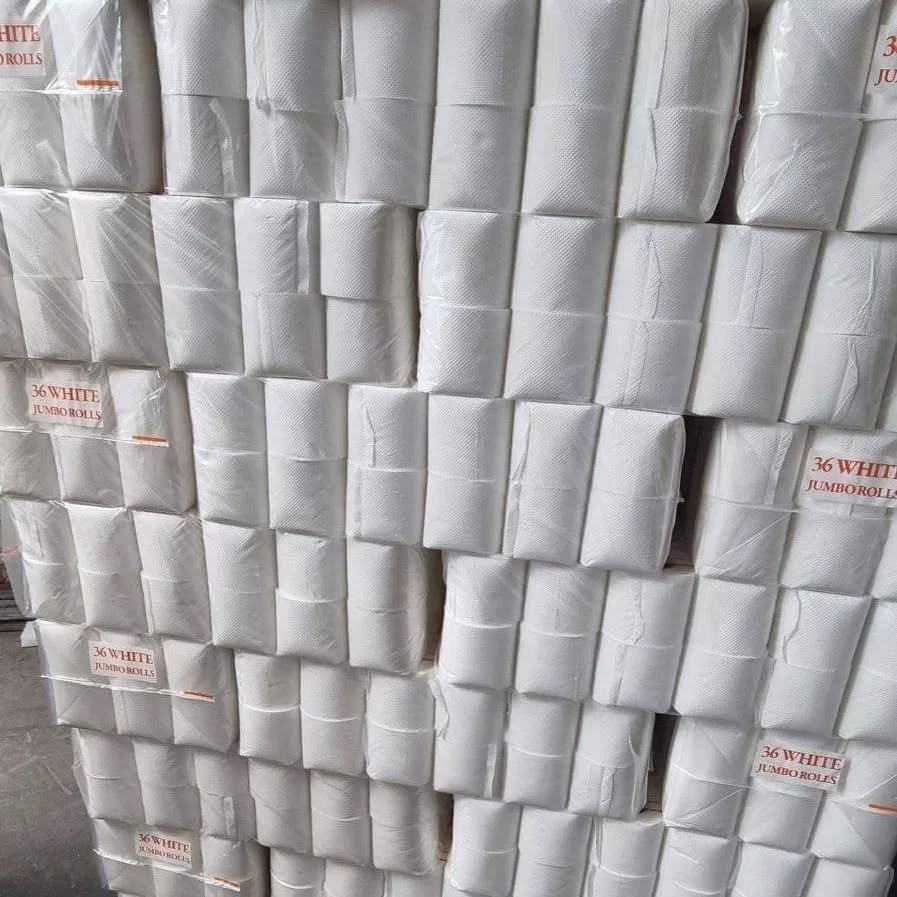
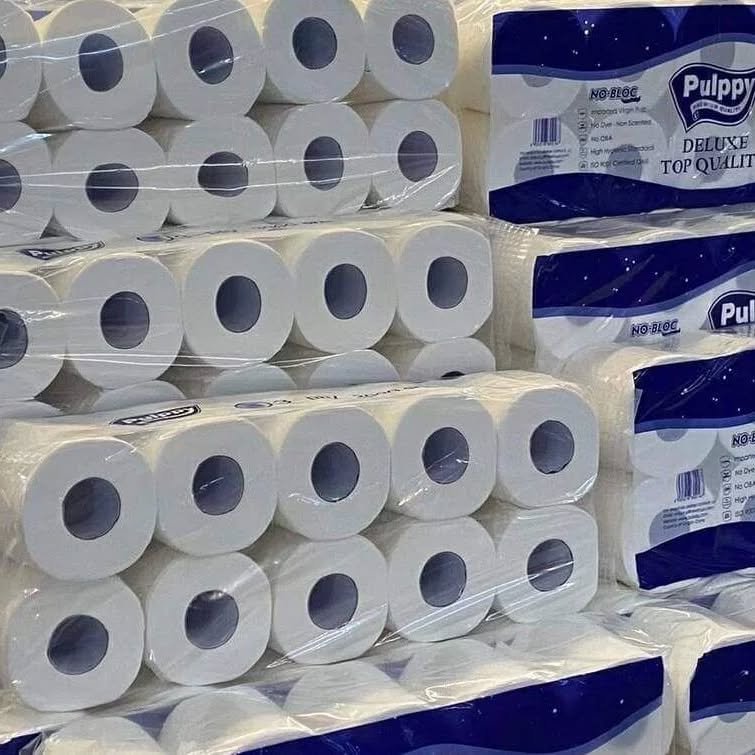
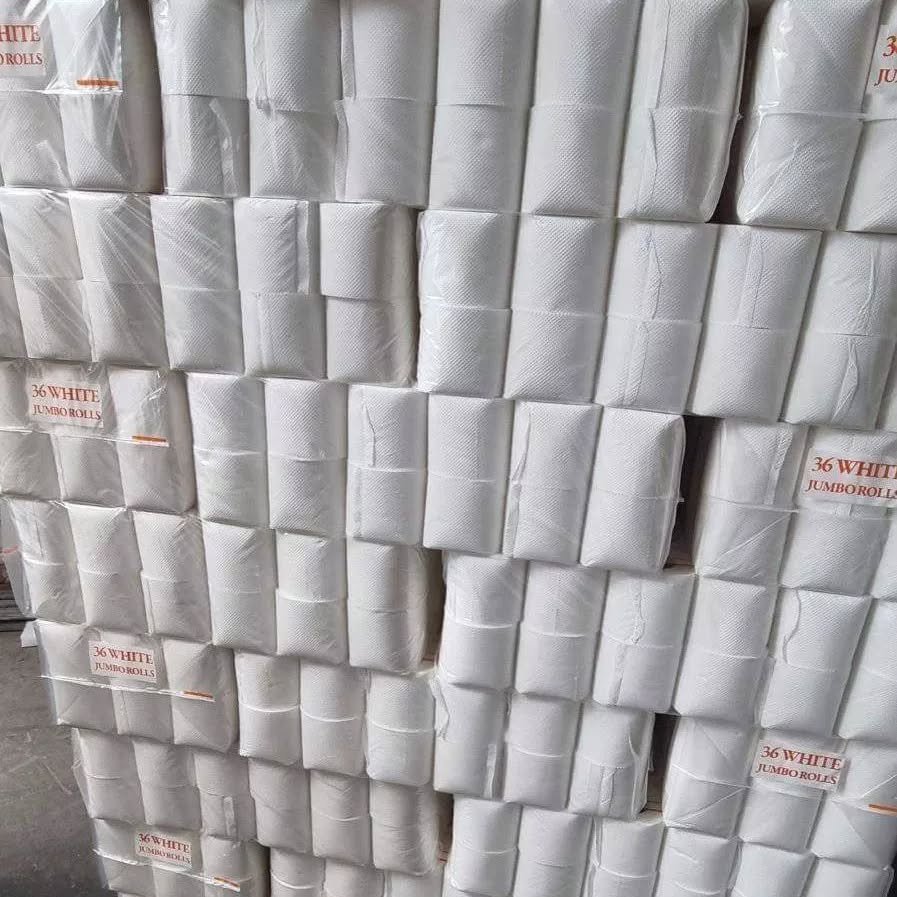



Toilet Paper Pallets liquidation
-
 Pick up from the Woodmart Store

To pick up today
Free
-
Courier delivery

Our courier will deliver to the specified address
2-3 Days
From $40
-
DHL Courier delivery

DHL courier will deliver to the specified address
1-2 Days
From $40
Buy Bulk Toilet Paper for Sale at wholesale prices for businesses, retailers, and resellers. Explore bulk toilet paper options and wholesale supply opportunities.
$800.00
Description
Bulk Toilet Paper for Sale: Complete Guide to Buying Toilet Paper in Bulk
If you are searching for bulk toilet paper for sale, you are looking at one of the most practical wholesale product categories available today. Toilet paper is a repeat-purchase essential used by households, offices, restaurants, hotels, schools, healthcare facilities, janitorial companies, retailers, convenience stores, and many other businesses. Unlike seasonal products that can sit in storage while demand changes, bathroom tissue has a straightforward purpose and consistent everyday use. That makes bulk purchasing particularly attractive for organizations that want to control supply costs, reduce the number of individual purchasing trips, or maintain reliable inventory. Current commercial suppliers offer a wide range of formats, including standard rolls, jumbo rolls, coreless rolls, high-capacity rolls, one-ply products, two-ply products, recycled-material options, and individually wrapped rolls. For example, current commercial listings include cases ranging from compact standard rolls to jumbo rolls containing hundreds or thousands of feet of tissue, demonstrating how different commercial requirements can be accommodated. Whether you are looking for toilet paper for sale for your home, business, or resale operation, buying larger quantities requires more than simply comparing the sticker price. You need to compare sheet counts, roll length, ply, packaging, quality, storage requirements, shipping costs, and the number of rolls included. For wholesalers and retailers, the equation becomes even more important because the purchase must leave sufficient room for handling, storage, distribution, and resale. Understanding how the market works can help you make better purchasing decisions and avoid paying more than necessary for a product that is designed to be purchased repeatedly.
Why Buy Toilet Paper in Bulk?
Buying toilet paper in bulk can make sense whenever consumption is predictable and storage space is available. A household with several members may prefer larger quantities to reduce shopping frequency, while a restaurant or hotel can consume substantial volumes and benefit from keeping reserve inventory on hand. Businesses that supply janitorial products can also purchase larger quantities and distribute them to multiple customers. The key advantage is purchasing efficiency. Instead of repeatedly buying small packages at retail prices, a buyer can compare larger case quantities and potentially reduce the cost associated with individual packaging, transportation, and frequent purchasing. Commercial suppliers commonly sell toilet tissue in cases containing dozens of rolls, with options ranging from standard 500-sheet rolls to high-capacity rolls containing hundreds or thousands of sheets or feet. This variety allows buyers to select products according to the type of restroom, dispenser, customer, and usage pattern involved. However, buying in bulk should always be connected to actual demand. A low unit price is not useful if the product takes up valuable storage space for years or if the format does not fit the dispensers used by your customers. Buying Bulk Toilet Paper works best when quantity, quality, storage, and consumption are considered together.
Advantages for Businesses
Businesses can benefit from bulk toilet paper purchasing in several ways. First, it simplifies inventory management because purchasing can be planned around predictable consumption rather than emergency restocking. Second, larger quantities can reduce the administrative effort associated with placing numerous smaller orders. Third, wholesale purchasing can give retailers and janitorial suppliers a consistent product line to offer customers. Commercial facilities may also prefer high-capacity toilet tissue because fewer roll changes can be required compared with smaller standard rolls. Current commercial product listings show options such as 1,000-foot jumbo rolls, 1,600-foot rolls, and high-capacity coreless products, alongside conventional standard rolls. That means a buyer can select the format based on the environment where the tissue will actually be used. A busy restaurant restroom may have different requirements from a small private office. A portable restroom supplier may need high-sheet-count products, while a hotel may prioritize individually wrapped rolls and guest presentation. Bulk purchasing becomes more efficient when the buyer understands these differences. Rather than asking only, “How cheap is this toilet paper?” a professional buyer asks, “How much usable tissue am I receiving, how much does each usable unit cost, and does this format work for my customer?”
Understanding Toilet Paper Rolls for Sale
When comparing toilet paper rolls for sale, it is important to understand that a roll is not simply a roll. Different products can contain very different numbers of sheets, lengths, widths, ply levels, core sizes, and diameters. Two packages may contain the same number of rolls while providing dramatically different amounts of tissue. Commercial suppliers commonly distinguish between standard rolls, jumbo rolls, compact rolls, coreless rolls, and high-capacity products. Sheet count is particularly important when comparing standard household-style products, while linear footage can be more useful when comparing certain commercial jumbo formats. Ply also affects the product experience. One-ply tissue typically uses less material per sheet than two-ply tissue, while two-ply products can provide a different combination of softness and strength. Neither format is automatically appropriate for every customer because restroom dispensers, budgets, usage patterns, and customer expectations vary. Packaging matters as well. Individually wrapped rolls may be more appropriate for certain hospitality or commercial environments, while bulk-packed rolls may be more economical for janitorial operations. When you see toilet paper for sale, look beyond the number of rolls printed on the package. Compare the actual quantity of tissue and the specifications that matter for your application.
Standard Rolls Versus Jumbo Rolls
Standard and jumbo rolls serve different purposes, and choosing between them should depend on the dispenser and environment. Standard rolls are familiar to consumers and can be suitable for homes, offices, smaller businesses, and many conventional restroom installations. Jumbo rolls contain substantially more tissue and are commonly designed for commercial dispensers where reducing maintenance frequency is important. Current commercial listings show jumbo products ranging from approximately 500 feet to more than 3,000 feet per roll, depending on the specific product and format. This illustrates why simply comparing the price of one roll can be misleading. A $2 roll containing 500 feet and a $3 roll containing 1,000 feet should not be evaluated solely on their sticker prices. You need to calculate the cost per 100 feet or another comparable unit. The same principle applies to sheet counts. When buying for a business, the dispenser is also critical. A jumbo roll is not useful if the existing dispenser cannot accommodate its diameter or core configuration. Before ordering, confirm dispenser compatibility. This small step can prevent a large quantity of unusable inventory from arriving at your warehouse.
Choosing the Right Toilet Paper Quality
Quality is an important part of bulk purchasing because toilet paper is a product customers physically use and experience. Buyers typically evaluate softness, strength, absorbency, sheet count, ply, roll size, and overall consistency. Commercial environments may have different priorities from residential customers. A high-traffic public restroom might prioritize capacity and cost efficiency, while a hotel may place more emphasis on softness and presentation. A warehouse or industrial facility may prioritize durability and economical usage. Current commercial catalogs demonstrate that buyers can choose between one-ply and two-ply products, recycled-material options, individually wrapped rolls, and multiple roll capacities. This variety makes it possible to build a product range around different budgets and customer expectations. If you operate a resale business, offering multiple grades can be useful because customers do not all have the same requirements. If you operate a single facility, consistency may be more important than variety. Once you identify a product that performs well, maintaining the same specification can simplify future purchasing. The goal is to avoid selecting tissue purely because it has the lowest price per roll. A product that creates complaints, clogs dispensers, or does not meet customer expectations can ultimately cost more through waste and replacement. Affordable toilet paper should therefore be judged by usable value rather than price alone.
Buying a Pallet of Toilet Paper
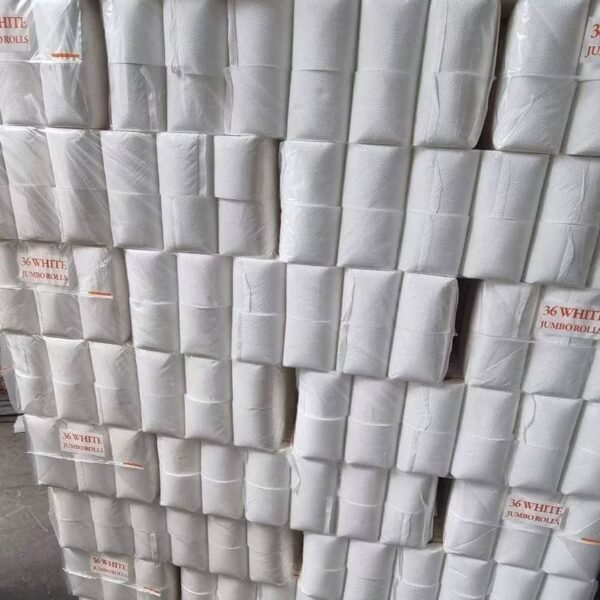
Purchasing a pallet of toilet paper is a logical next step for wholesalers, retailers, janitorial suppliers, and organizations with significant consumption. A pallet allows you to move beyond individual cases and acquire a larger volume in one transaction. The exact number of cases or rolls on a pallet depends on the product dimensions, case configuration, supplier, and pallet arrangement. Buyers should request precise pallet specifications before purchasing. Ask how many cases are included, how many rolls are in each case, the number of sheets or feet per roll, total pallet weight, pallet dimensions, and whether the product is floor-loaded or securely palletized. Shipping is also important because toilet paper is bulky relative to its value. A pallet that appears inexpensive at the warehouse may have a significantly higher landed cost once freight is included. This is particularly important for long-distance shipments. Before purchasing, calculate the total delivered cost and divide it by the number of cases or rolls. If you are buying for resale, then add your own handling, storage, and distribution expenses before establishing a selling price. A professional wholesale buyer treats the pallet as an inventory investment rather than simply a large package of household goods.
Toilet Paper by the Pallet
Buying toilet paper by the pallet can be especially useful when demand is steady. Retailers can divide the pallet into smaller quantities, while janitorial companies can distribute cases to multiple commercial customers. Hotels, restaurants, schools, warehouses, property managers, and office buildings may also find pallet-level purchasing useful when they consume large quantities throughout the year. The main benefit is purchasing efficiency, but pallet buying also introduces logistical considerations. Toilet paper takes up significant physical space, so the warehouse must have adequate room to receive and store it without exposing the product to moisture or damage. The product should be kept in a clean, dry environment away from leaks, chemicals, excessive humidity, and other materials that could compromise packaging. Pallet stability is another consideration. Cases should remain properly stacked and protected during storage and transportation. If you are reselling the product, inspect the pallet when it arrives and document any visible damage. This is particularly useful for commercial transactions because it gives you a record of the shipment’s condition upon arrival. Pallet purchasing can be highly efficient, but only when the physical logistics are planned as carefully as the purchase price.
Toilet Paper Pallets for Retail and Wholesale
Toilet Paper Pallets for Retail and Wholesale can serve several different business models. A retail store can purchase pallet quantities and sell individual packages or cases. A wholesale distributor can break the pallet into cases and supply smaller businesses. A janitorial company can use pallet inventory to support recurring customer contracts. Property-management companies can also use bulk inventory across multiple buildings. The flexibility comes from dividing the large purchase into smaller distribution units. However, a retailer should consider which products customers actually want before committing to a large quantity. A pallet of premium two-ply tissue may have a different customer base from a pallet of economical one-ply commercial tissue. Likewise, a pallet of jumbo rolls is unlikely to appeal to ordinary household shoppers unless they have compatible dispensers or specific requirements. Product-market fit is therefore essential. Before making a large purchase, examine your existing customer orders, sales history, and local demand. If you are a new wholesaler, consider starting with a manageable quantity and using the results to determine which products deserve larger future orders. This approach reduces the risk of filling your warehouse with inventory that does not match your market.
How to Compare Bulk Toilet Paper Prices
Comparing bulk toilet paper prices requires more than comparing the cost of cases. A professional buyer creates a common measurement so different products can be compared fairly. For standard rolls, cost per 100 sheets can be useful. For jumbo rolls, cost per 100 feet may provide a more practical comparison. Current commercial listings already present several products using these measurements, illustrating how unit economics can be evaluated across different formats. Consider two hypothetical products. Product A might contain 48 rolls at 500 sheets per roll, while Product B contains 96 rolls at 500 sheets per roll. Product B has twice as many rolls, but the package price must be considered relative to the total sheet count. Similarly, a 12-pack of 1,000-foot jumbo rolls should be compared based on total footage rather than simply the number of rolls. Freight should then be added because a distant supplier may have a lower product price but a higher delivered cost. If you are reselling, your calculation should continue through storage and distribution. A simple spreadsheet can make this process much easier. Record supplier price, quantity, shipping, total sheets or feet, landed cost, and expected selling price. Over time, this data will show which suppliers provide the best economics for your operation.
| Comparison Factor | Why It Matters |
|---|---|
| Price per case | Shows the initial purchase cost |
| Rolls per case | Helps calculate individual unit cost |
| Sheets per roll | Useful for standard tissue |
| Feet per roll | Useful for many commercial jumbo formats |
| Ply | Influences material use and customer experience |
| Packaging | Affects handling and resale presentation |
| Freight | Determines delivered cost |
| Storage | Important for pallet-level purchases |
| Dispenser compatibility | Prevents purchasing unsuitable formats |
| Expected resale price | Essential for retail and wholesale buyers |
Buying Bulk Toilet Paper for Resale
Buying Bulk Toilet Paper for resale requires a slightly different approach from purchasing for internal consumption. A reseller needs products that customers understand, packaging that is suitable for distribution, predictable specifications, and enough margin to cover business expenses. Begin by identifying your target market. Are you selling to households, convenience stores, offices, restaurants, hotels, janitorial companies, or other wholesalers? Each group may prioritize different characteristics. Household customers may prefer familiar brands and consumer-sized packages, while commercial buyers may prioritize sheet count, dispenser compatibility, and cost per usable unit. Once you know your market, source products that fit those requirements. Buying too much variety can make inventory management complicated, especially for a new business. It may be more efficient to start with a small selection of proven formats. You can then expand based on actual customer demand. When purchasing a pallet, calculate your expected selling price per case and subtract freight, storage, labor, payment-processing costs, and other expenses. The remaining amount is the contribution available to support your business. A low acquisition price does not automatically create a profitable resale product. Bulk purchases work when the entire supply chain—from supplier to customer—is economically efficient.
How Retailers Can Sell Toilet Paper Efficiently
Retailers can break down bulk inventory into quantities that match customer buying habits. For example, a retailer might receive pallet quantities, store them in a warehouse, and place smaller cases or packages on the sales floor. Online sellers can also create listings for cases or multi-packs, particularly when customers prefer convenience. The packaging and product description should clearly identify roll count, ply, sheet count, brand where applicable, and intended use. If the product is commercial-grade, make that clear so customers understand whether it is intended for standard household dispensers or larger commercial systems. Retailers should also avoid misleading comparisons between products. A large number of rolls does not necessarily mean a better value if each roll contains substantially less tissue. Clear unit pricing helps customers make informed decisions. For businesses selling to commercial customers, providing case dimensions and dispenser compatibility can also be useful. Once you have established which formats sell consistently, you can negotiate recurring orders with suppliers. Recurring purchasing may make inventory planning easier and help avoid shortages. The most efficient retail operation is one where purchasing, storage, merchandising, and replenishment work together rather than functioning as separate activities.
Toilet Paper Machine for Sale: What Buyers Should Know
The phrase toilet paper machine for sale can refer to very different types of equipment, so buyers need to understand exactly what they are looking for. Toilet paper manufacturing is not limited to one machine. Industrial operations can involve tissue-making equipment, rewinding machinery, perforation systems, embossing equipment, log saws, packaging machines, and other production equipment. A buyer searching for a Toilet Paper Machine for Sale should therefore identify the intended production stage before contacting equipment suppliers. If the business plans to manufacture tissue from raw materials, the machinery requirements can be substantially different from a business that purchases jumbo tissue rolls and converts them into smaller finished rolls. Converting operations may focus on rewinding, embossing, perforating, cutting, and packaging. The correct equipment depends on the product specifications, production volume, available utilities, factory space, labor, and packaging requirements. Buyers should request machine specifications, production capacity, power requirements, dimensions, installation requirements, spare-parts availability, training, warranty information, and service support. Used machinery should receive additional inspection because operating history and maintenance condition can materially affect performance. Purchasing the wrong machine can be far more expensive than purchasing slightly more expensive equipment that actually fits the production process.
What to Check Before Buying a Toilet Paper Machine
Before purchasing machinery, determine your intended output and product format. A machine designed for a particular roll width, diameter, core size, or production speed may not be suitable for another product configuration. Ask the supplier for a detailed technical specification sheet. Production capacity should be understood in practical operating terms rather than simply accepting a maximum theoretical figure. Energy requirements also matter because electrical infrastructure can become a significant part of the installation cost. Buyers should investigate whether the machine requires compressed air, specific electrical configurations, water, ventilation, or other infrastructure. Spare parts and after-sales support are equally important. A machine that cannot be serviced quickly can create expensive production downtime. If purchasing used machinery, ask for maintenance records and, where possible, inspect it while operating. A production-line investment should be treated as a long-term business decision. The machine must fit not only the product but also the factory, workforce, supply chain, and sales market. If you are uncertain about the equipment requirements, consult a qualified machinery engineer or tissue-converting specialist before committing significant capital.
Toilet Paper Manufacturing Versus Wholesale Distribution
Manufacturing and wholesale distribution are two different business models. A wholesale buyer purchases finished toilet tissue from an established manufacturer or supplier and focuses on distribution. A manufacturer or converter invests in equipment, raw materials, labor, quality control, packaging, maintenance, and production infrastructure. Manufacturing can provide greater control over product specifications, but it also requires substantially more operational planning. Wholesale distribution can be simpler because the product is already finished, allowing the business to focus on sourcing, warehousing, sales, and delivery. Buyers should therefore avoid purchasing machinery simply because they see an opportunity to manufacture. The equipment must be justified by realistic production demand. If the business does not have enough sales volume to keep the equipment productive, the capital investment may take much longer to recover. On the other hand, a distributor with strong demand and an established customer base may eventually find value in controlling more of the supply chain. The decision should be based on production economics, not just the desire to reduce the purchase price of toilet paper. Calculate equipment costs, installation, labor, maintenance, raw materials, packaging, utilities, financing, and expected production output before deciding whether manufacturing is appropriate.
Storage and Shipping Bulk Toilet Paper
Storage is one of the most overlooked aspects of buying toilet paper pallets. Tissue products are lightweight but bulky, meaning they can consume considerable warehouse space relative to their purchase value. The storage environment should be clean and dry, and packaging should be protected from moisture and physical damage. A leaking roof, plumbing problem, or poorly protected storage area can turn a large inventory investment into a significant loss. Pallets should be arranged so that employees can safely access the product and inventory can be rotated. First-in, first-out inventory management can help prevent older stock from remaining buried underneath newer shipments. Shipping also needs careful planning. Toilet paper’s relatively low value per cubic foot means freight can have a meaningful impact on the final cost. When comparing suppliers, calculate delivered cost rather than warehouse price. For wholesale customers, consider whether you will deliver individual cases or pallets. Local deliveries may be economical when multiple customers are grouped into efficient routes. Long-distance shipping may require freight carriers and palletized shipments. Good logistics planning can make the difference between a competitive wholesale product and one that is too expensive to distribute.
Choosing Between One-Ply and Two-Ply Toilet Paper
Ply is one of the simplest specifications for customers to understand, but it should not be the only factor used to judge a product. One-ply and two-ply products can serve different markets and budgets. Current commercial catalogs contain both one-ply and two-ply options across standard and jumbo formats. Two-ply products combine two layers of tissue and can provide a different user experience, while one-ply products can be attractive in high-volume environments where controlling cost and usage is particularly important. The appropriate choice depends on customer expectations, dispenser requirements, budget, and consumption patterns. A hotel may want a different product from a factory restroom. A school district may prioritize cost efficiency across a large number of facilities. A premium hospitality business may prioritize softness and presentation. For resellers, offering both options can allow customers to choose based on their needs. However, stocking too many variations can create unnecessary complexity. Analyze your customer base and focus on the formats that generate repeat orders. Consistency is valuable in commercial supply because customers often want to reorder the same product once they have found one that works for their facilities.
How to Build a Toilet Paper Wholesale Business
A toilet paper wholesale business can begin with a straightforward model: source products in larger quantities, store them safely, sell cases or pallets to customers, and reinvest revenue into inventory. The foundation is supplier selection. Look for suppliers that can provide consistent product specifications and reliable delivery. Next, identify customers that purchase regularly. Restaurants, hotels, offices, janitorial companies, convenience stores, property managers, schools, and other organizations can have recurring tissue requirements. Recurring customers are particularly valuable because they allow you to forecast demand. Rather than trying to sell every pallet to a new customer, you can develop a base of businesses that reorder on a predictable schedule. Once demand becomes reliable, larger purchasing quantities may improve logistics. You can negotiate supplier pricing, schedule deliveries, and keep safety stock available. Inventory records should track cases received, cases sold, remaining stock, damaged products, and reorder points. A simple system can prevent both overstocking and shortages. As the business grows, you can expand into related janitorial products such as paper towels, hand soap, trash liners, and other restroom supplies. The goal is to become a dependable supplier rather than simply a seller of cheap toilet paper.
What Makes a Good Toilet Paper Pallet?
A good toilet paper pallet is not necessarily the pallet with the lowest price. It is a pallet containing products that match your target customers and provide reasonable economics after transportation and handling. Start by checking the exact case count and product specifications. Then determine whether the pallet contains standard rolls, jumbo rolls, coreless rolls, individually wrapped products, or a mixture. If the pallet is mixed, determine whether the different products are individually identified. A consistent pallet can be easier to sell because every case follows the same specification. A mixed pallet may offer variety but can require more complicated inventory management. Packaging condition also matters. Cases should arrive clean, intact, and protected from moisture. If the product is intended for retail sale, packaging presentation can affect customer perception. For wholesale buyers, functionality and cost may matter more. You should also calculate the cost per roll, cost per case, and cost per 100 sheets or feet where appropriate. Those measurements make it easier to compare different offers. Finally, evaluate the supplier’s ability to provide the same product repeatedly. A cheap one-time pallet is less valuable to a wholesale business than a reliable supply of a product that customers reorder every month.
Common Mistakes When Buying Bulk Toilet Paper
One of the most common mistakes is comparing cases based solely on the number of rolls. Another is ignoring sheet count or linear footage. A third is failing to account for freight. Buyers may also purchase a format that does not fit their customers’ dispensers. Storage is another common problem. A pallet can take up significant warehouse space, and buyers who do not plan inventory turnover may find themselves surrounded by bulky stock. Some buyers also prioritize the cheapest product without considering customer expectations. If the product is too thin, rough, or inconsistent for the intended market, customers may not reorder. For retailers, unclear product descriptions can create returns and complaints. For wholesalers, inconsistent specifications can damage long-term customer relationships. When buying a pallet of toilet paper, avoid relying on a single number. Look at total tissue quantity, packaging, quality, freight, storage, and demand. The best purchasing decisions are based on total value. Bulk buying is powerful because it can lower purchasing friction and improve supply consistency, but it only works when the inventory actually moves.
Conclusion
The market for bulk toilet paper for sale offers opportunities for households, retailers, wholesalers, janitorial companies, hospitality businesses, property managers, and other organizations that need reliable supplies of bathroom tissue. The key is understanding how to compare products correctly. Toilet paper for sale can include standard household-style rolls, commercial rolls, jumbo rolls, high-capacity rolls, coreless products, individually wrapped tissue, and many other configurations. Current commercial listings demonstrate just how broad the range can be, with different sheet counts, roll lengths, ply levels, packaging formats, and case quantities available. That variety creates flexibility, but it also means buyers need to know what they are purchasing.
For businesses considering Buying Bulk Toilet Paper, the most important factors are product specifications, customer demand, total landed cost, storage, dispenser compatibility, and supplier reliability. If you are purchasing a pallet of toilet paper, calculate the cost per usable unit rather than focusing only on the pallet price. If you are purchasing toilet paper by the pallet for resale, make sure your selling channels can absorb the inventory. If you are researching a Toilet Paper Machine for Sale, understand the difference between tissue manufacturing and converting equipment and evaluate machinery based on production requirements rather than advertised speed alone. And if your goal is Toilet Paper Pallets for Retail and Wholesale, establish a consistent supply chain and focus on products your customers will reorder.
Toilet paper may be a simple everyday product, but successful wholesale purchasing requires careful attention to the details. The strongest buyers compare actual tissue quantities, quality, packaging, logistics, and total cost. They understand their customers and avoid filling their warehouses with products that do not match market demand. With a disciplined sourcing process, bulk toilet paper can become a practical and scalable product category for both resale and commercial supply.
Frequently Asked Questions
Where can I find bulk toilet paper for sale?
You can find bulk toilet paper for sale through commercial paper suppliers, wholesale distributors, janitorial-supply companies, liquidation sellers, manufacturers, and business-to-business marketplaces. Compare suppliers based on total delivered cost rather than the advertised case price. Check the roll count, sheet count, ply, roll dimensions, packaging, and shipping terms before placing a large order. For pallet-level purchases, request the exact number of cases and specifications included.
Is buying a pallet of toilet paper cheaper?
A pallet of toilet paper can provide purchasing efficiencies, but the actual savings depend on the supplier, product, freight, and quantity. Calculate the complete landed cost and compare it with smaller case purchases. A pallet is most useful when you have enough demand and storage space to move the inventory efficiently. A low pallet price does not automatically mean the lowest overall cost.
What is the difference between standard and jumbo toilet paper rolls?
Standard rolls are generally designed for conventional dispensers and smaller-scale environments, while jumbo rolls are designed for commercial dispensers and can contain substantially more tissue. Current commercial listings include jumbo formats with hundreds or thousands of feet per roll. Before buying jumbo tissue, verify that your customer’s dispensers are compatible with the roll diameter and core configuration.
What should I look for when buying toilet paper pallets?
When purchasing toilet paper pallets, check the exact number of cases, rolls per case, sheet count or roll length, ply, packaging, pallet dimensions, weight, product condition, and freight cost. Also determine whether the products are intended for residential or commercial dispensers. If purchasing for resale, research your customers’ preferred formats before buying a large quantity. The best pallet is one that matches your demand and provides acceptable economics after all costs.
What should I know before buying a toilet paper machine for sale?
A toilet paper machine for sale can refer to converting, rewinding, embossing, perforating, cutting, or packaging equipment, so identify the exact production stage first. Ask about production capacity, compatible roll sizes, power requirements, machine dimensions, installation, spare parts, maintenance, training, and after-sales support. Used machinery should be inspected carefully and, when possible, tested under operating conditions. The machine should be selected according to your planned product and production volume rather than simply choosing the machine with the highest advertised capacity.





Reviews
There are no reviews yet.