
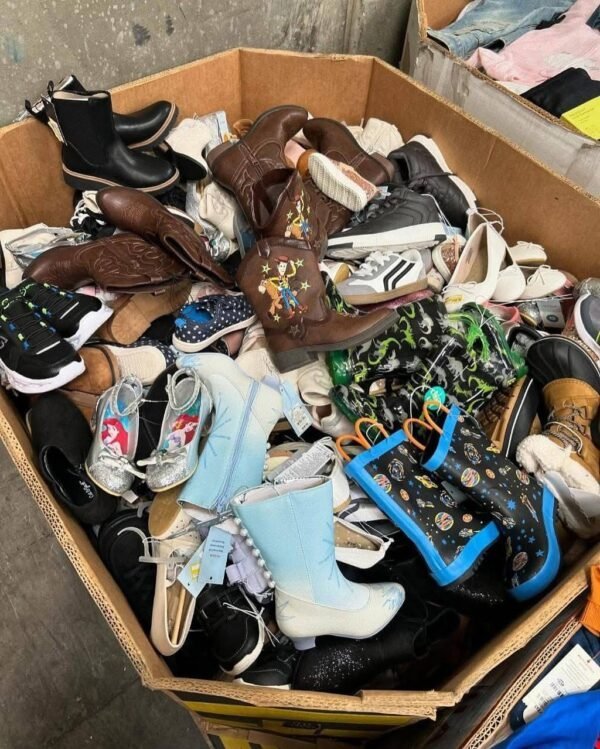
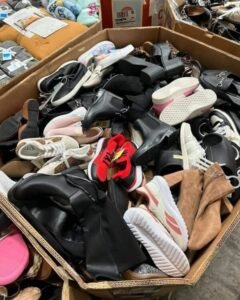
Target Shoes Pallet
-
 Pick up from the Woodmart Store

To pick up today
Free
-
Courier delivery

Our courier will deliver to the specified address
2-3 Days
From $40
-
DHL Courier delivery

DHL courier will deliver to the specified address
1-2 Days
From $40
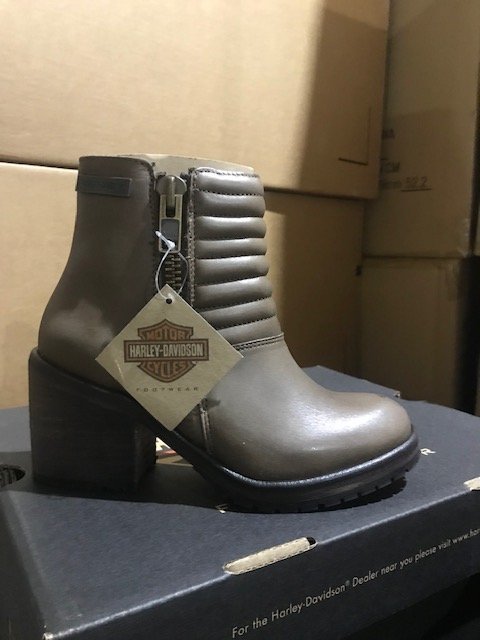
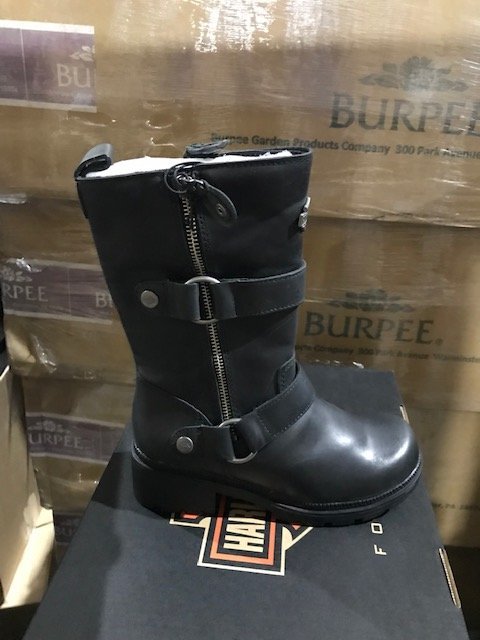
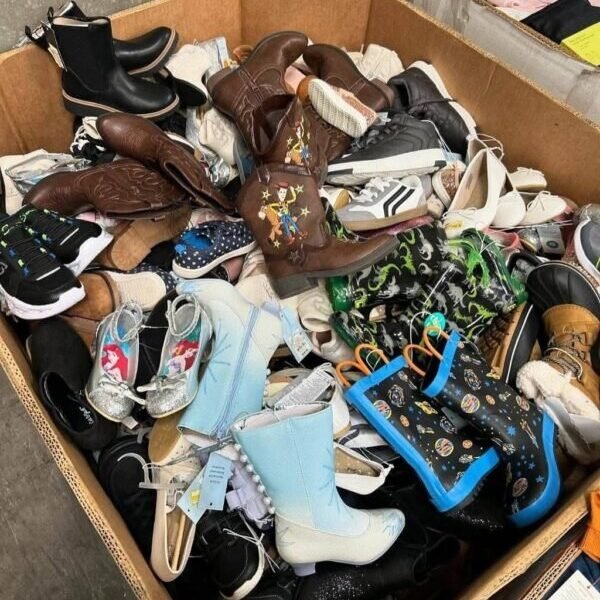
Shop the best shoe liquidation pallets with assorted footwear for resellers and retailers. Explore wholesale shoe pallets and bulk inventory at competitive prices. brands. Find wholesale footwear pallets for resellers, retailers, and liquidation businesses at competitive prices.
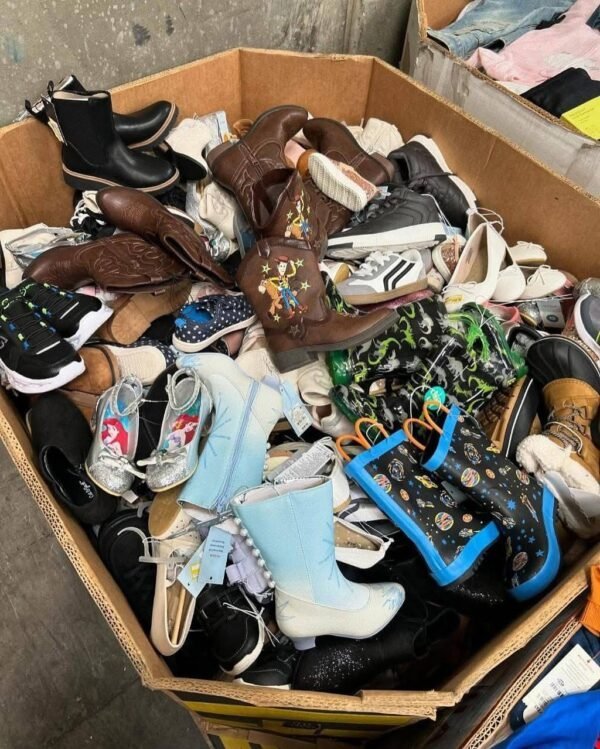
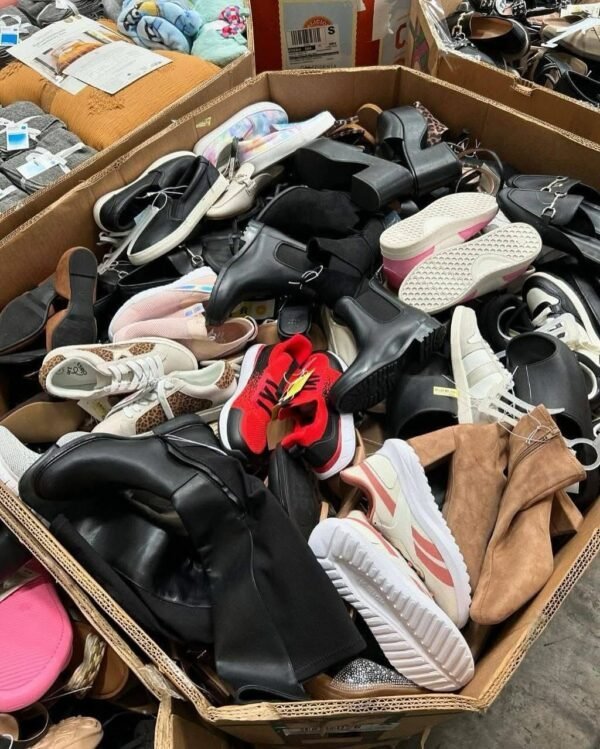
Target shoes available
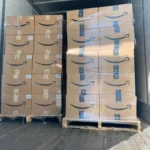
Amazon stocks
200 pcs per palle
$850.00
Description
Shoe Liquidation Pallets: A Complete Guide to Buying, Selling, and Reselling Shoes
The footwear market continues to create opportunities for retailers, wholesalers, online sellers, and entrepreneurs looking for affordable inventory. One of the most practical ways to source large quantities of footwear is through shoe liquidation pallets. These pallets can contain a variety of shoes, brands, styles, sizes, and conditions, allowing businesses to purchase inventory in bulk and resell individual pairs for a potential margin.
Whether you are an experienced wholesaler, an online seller starting a Shoe Resale Business, or someone searching for shoe liquidation pallets near me, understanding how liquidation footwear works is essential before making a purchase.
Liquidation inventory can come from overstock, store closures, customer returns, excess inventory, discontinued merchandise, shelf pulls, or other sources. Because inventory varies from one pallet to another, buyers need to evaluate the products carefully and understand what they are purchasing.
This guide explains how shoe pallets work, what buyers should look for, how to evaluate shoes pallet inventory, and how to build a successful resale strategy.
What Are Shoe Liquidation Pallets?
Shoe liquidation pallets are bulk quantities of footwear assembled and sold together, usually at wholesale or liquidation pricing. Instead of purchasing individual pairs from a traditional retailer, a buyer purchases a larger lot containing multiple pairs.
A pallet may contain athletic shoes, casual footwear, boots, sandals, children’s shoes, work shoes, fashion footwear, or a combination of several categories.
The exact contents depend on the supplier and source of the merchandise.
For a retailer, purchasing a pallet can provide access to a substantial amount of inventory without having to source every pair individually.
What Can Be Included in Shoe Pallets?
Depending on the liquidation source, shoe pallets may contain:
- Athletic shoes
- Running shoes
- Casual sneakers
- Work boots
- Fashion shoes
- Sandals
- Women’s footwear
- Men’s footwear
- Children’s shoes
- Seasonal footwear
- Brand-name footwear
- Mixed-size footwear
- Customer returns
- Overstock merchandise
- Shelf-pull inventory
- Open-box products
The condition and product mix can vary considerably. Buyers should always confirm the details with the supplier before purchasing.
Why Buy Shoe Pallets?
One of the primary reasons businesses purchase shoes pallets is the opportunity to acquire a large amount of merchandise in a single transaction.
Instead of spending time sourcing individual pairs, a reseller can purchase a larger lot and then sort the inventory into individual listings or collections.
This can simplify the sourcing process and provide enough inventory to support multiple sales channels.
Lower Bulk Acquisition Costs
Liquidation merchandise is commonly sold below traditional retail pricing. The exact discount varies according to the source, condition, brand mix, quantity, and demand.
For a reseller, the objective is to determine whether the total acquisition cost creates a reasonable opportunity after shipping, marketplace fees, packaging, and other expenses.
Variety of Products
A mixed pallet can provide different styles and sizes. This variety can be useful for sellers who serve customers with different preferences.
A business can separate inventory into men’s shoes, women’s shoes, children’s footwear, athletic products, boots, and other categories.
Shoe Pallets for Sale: What Buyers Should Know
When searching for shoe pallets for sale, buyers should look beyond the advertised pallet price.
A pallet may appear inexpensive, but the actual value depends on the number of sellable pairs, condition, brand mix, size distribution, and additional costs.
Evaluate the Cost Per Pair
One of the simplest ways to evaluate a pallet is to estimate the effective cost per pair.
For example, if a pallet costs $1,000 and contains 100 sellable pairs, the initial acquisition cost is approximately $10 per pair before shipping and other expenses.
However, if several pairs are damaged, incomplete, or unsellable, the effective cost of the remaining inventory will be higher.
This is why sellers should evaluate the expected sellable quantity rather than simply dividing the purchase price by the advertised number of pairs.
Check the Size Distribution
Size distribution matters significantly in footwear.
A pallet containing a wide range of sizes can potentially serve a larger customer base. A pallet concentrated heavily in a few sizes may require a more specialized sales strategy.
Before purchasing, ask whether the supplier provides size information or an inventory manifest.
Shoe Liquidation Pallets Near Me
Many buyers search online for shoe liquidation pallets near me because local sourcing can reduce transportation expenses and make it easier to inspect merchandise before purchasing.
Local liquidation warehouses may allow customers to arrange pickup or inspect available inventory depending on the supplier’s policies.
Searching for Shoe Liquidation Pallets Near Me can be useful when you want to compare local and shipped inventory.
Local Pickup vs. Freight Shipping
Local pickup may offer advantages such as:
- Lower transportation costs
- Faster access to inventory
- Opportunity to inspect products
- Easier communication with a local supplier
- Potentially simpler logistics
Freight shipping can be more convenient for buyers who do not have access to a nearby warehouse.
The best option depends on the buyer’s location, order size, transportation resources, and supplier availability.
Understanding Shoe Pallets Liquidation
Shoe pallets liquidation involves the resale of footwear that is no longer being sold through the original retail channel.
Liquidation inventory can enter the market for many reasons.
A retailer may have excess inventory after a season ends. A store may need to clear discontinued styles. A warehouse may need to move older stock. Customer returns may also be consolidated and sold through liquidation channels.
Common Liquidation Conditions
Buyers may encounter several conditions, including:
New and Overstock
These products may be unused and may have their original packaging, although packaging quality can vary.
Shelf Pulls
Shelf-pull merchandise may have been removed from retail shelves. Some items may be new but could show minor signs of handling or packaging wear.
Customer Returns
Returns may have been opened, tried on, or used. The condition can vary substantially, so inspection and accurate descriptions are important.
Mixed Condition
Some pallets combine different conditions. This type of inventory requires careful sorting before resale.
How to Evaluate Shoe Liquidation Pallets
Before purchasing Shoe Liquidation Pallets, establish a consistent evaluation process.
Start by determining what type of footwear you want to sell. Then compare suppliers according to product quality, transparency, pricing, shipping, and available inventory information.
Ask for a Manifest When Available
A manifest may provide information such as:
- Product descriptions
- Brands
- Quantities
- Sizes
- Retail values
- Product condition
- Model numbers
A manifest is useful because it allows the buyer to understand the inventory before committing to a purchase.
However, buyers should understand the supplier’s policy regarding manifested and unmanifested pallets.
Inspect the Merchandise
If inspection is available, examine the footwear carefully.
Look for:
- Matching pairs
- Correct sizes
- Missing components
- Damaged soles
- Stains
- Excessive wear
- Packaging condition
- Signs of use
- Defects
Sorting inventory before listing it for sale helps ensure customers receive accurate products.
Shoe Liquidation Pallets and Brand Selection
Brand selection can have a major effect on resale demand.
Some buyers specifically search for recognizable athletic, fashion, workwear, or designer footwear brands.
However, brand names alone should not determine the purchase price. The condition, authenticity, model, size, style, and current customer demand also matter.
A reseller should verify merchandise carefully and avoid making authenticity claims without adequate evidence.
Jordan Shoes Pallets for Sale
Jordan shoes pallets for sale can attract strong interest from sneaker-focused resellers because Jordan footwear has an established consumer market.
However, sneaker liquidation requires additional care.
Buyers should pay particular attention to authenticity, condition, model information, sizing, packaging, and product documentation where available.
Why Sneaker Pallets Require Careful Evaluation
High-demand footwear can attract counterfeit products. A reseller should therefore have a process for authenticating products before listing them as genuine branded merchandise.
If authenticity cannot be established, sellers should not make unsupported claims.
Building a Shoe Resale Business
A successful Shoe Resale Business requires more than finding inexpensive inventory.
The business needs a reliable sourcing strategy, accurate product listings, good inventory management, customer service, and a clear understanding of costs.
Choose Your Sales Channel
Shoe resellers can use different channels depending on their target customers.
Potential channels include:
- Independent ecommerce websites
- Online marketplaces
- Social commerce
- Local retail stores
- Pop-up shops
- Flea markets
- Consignment stores
- Social media sales
Each channel has different fees, customer expectations, shipping requirements, and competition.
Photograph Every Product Clearly
Good photography can make a significant difference when selling shoes online.
Take photographs that clearly show:
- Both shoes
- Front and side views
- Soles
- Labels
- Size information
- Packaging
- Any defects
Transparency is especially important when selling liquidation merchandise.
Buying Shoes Pallets for the First Time
First-time buyers should avoid purchasing large quantities before understanding the liquidation process.
Start by learning how suppliers grade their inventory and how shipping works.
If possible, begin with a manageable order that allows you to test your sales channel.
Calculate the Complete Cost
Your actual cost may include:
- Pallet purchase price
- Freight or shipping
- Storage
- Packaging
- Marketplace fees
- Payment processing
- Cleaning
- Product testing
- Returns
- Advertising
- Labor
A realistic cost calculation is essential before setting resale prices.
Liquidation Palletsc: Understanding the Search Term
Some buyers may encounter searches such as Liquidation Palletsc while researching bulk inventory.
Regardless of the exact search wording, the important consideration is finding a supplier that clearly explains its products, condition, pricing, shipping terms, and purchasing policies.
Avoid making purchasing decisions based solely on search-engine rankings or unusually low advertised prices.
Liquidation Pallets Beyond Footwear
Although footwear is the focus of this guide, Liquidation Pallets can include many other product categories.
Businesses may source clothing, electronics, toys, tools, home goods, appliances, general merchandise, and other products through liquidation channels.
For retailers who already sell multiple categories, shoe inventory can complement an existing liquidation business.
A mixed product strategy can help a reseller reach customers interested in apparel and footwear together.
Where to Find Shoes Pallets for Sale
When researching Shoes Pallets for Sale, compare suppliers based on transparency and inventory quality rather than price alone.
One option for buyers is to review available wholesale and liquidation inventory from established suppliers.
For example, businesses interested in pallets of shoes for sale can review available inventory and purchasing information through Global Pallet Liquidators.
A supplier’s website can help buyers understand available products, purchasing procedures, and shipping options before placing an order.
How to Price Liquidation Shoes
Pricing liquidation footwear requires an understanding of both acquisition costs and current market conditions.
Do not automatically price every pair at the same percentage of retail price.
Instead, consider:
- Brand
- Model
- Condition
- Size
- Style
- Season
- Demand
- Original packaging
- Current comparable prices
- Selling platform fees
- Shipping costs
Create Different Pricing Categories
A reseller can separate inventory into categories such as:
Premium: High-demand branded footwear in excellent condition.
Standard: Good-quality footwear with normal packaging or minor presentation differences.
Budget: Lower-value footwear or products with visible cosmetic issues.
This makes inventory management easier and provides customers with different price points.
Inventory Management for Shoe Pallets
A large pallet can quickly become difficult to manage if every pair is not catalogued.
Assign inventory numbers and record relevant details.
For each pair, consider recording:
- Brand
- Model
- Gender category
- Size
- Condition
- Acquisition cost
- Listing price
- Sales channel
- Date listed
- Date sold
Good inventory management prevents products from getting lost and makes it easier to calculate profitability.
Common Mistakes When Buying Shoe Liquidation Pallets
New resellers often make similar mistakes.
One is purchasing based entirely on the advertised retail value. Retail value does not necessarily equal current resale value.
Another mistake is ignoring shipping costs.
A third is failing to inspect returned or mixed-condition inventory.
Do Not Assume Every Pair Is Ready to Sell
Liquidation merchandise may require sorting, cleaning, photographing, testing, or repackaging.
Build this work into your business calculations.
Do Not Ignore Customer Demand
A pallet can contain technically sellable products that are difficult to move.
Research the types of shoes your customers are actually purchasing before committing to large quantities.
Benefits of Buying Shoe Pallets in Bulk
Bulk purchasing can help businesses acquire substantial inventory through fewer transactions.
For established resellers, this can simplify sourcing and create a steady stream of products to list.
Bulk purchasing can also provide opportunities to negotiate pricing when ordering larger quantities, depending on the supplier.
However, buyers should balance volume against storage capacity and available working capital.
Tips for Growing a Shoe Resale Business
Growth should be based on data rather than assumptions.
Track which brands, styles, sizes, and categories sell most consistently.
Review your average acquisition cost and average selling price.
Monitor how long products remain listed before selling.
Over time, this information can help you refine your purchasing strategy.
Focus on Fast-Moving Inventory
If a specific category consistently sells faster than others, consider allocating more purchasing budget to that category.
If another category remains unsold for long periods, reduce future purchases or adjust your pricing and marketing strategy.
Frequently Asked Questions About Shoe Liquidation Pallets
What are shoe liquidation pallets?
Shoe liquidation pallets are bulk lots of footwear sold through liquidation or wholesale channels. They may include new, overstock, shelf-pull, returned, open-box, or mixed-condition products.
Are shoe pallets good for reselling?
They can provide opportunities for resellers, but profitability depends on the purchase price, product condition, brands, sizes, demand, shipping expenses, fees, and final selling prices.
What should I check before buying shoe pallets?
Check the product condition, number of pairs, size distribution, brand mix, packaging, shipping cost, supplier policies, and whether a manifest is available.
Where can I find shoe liquidation pallets near me?
Search for local liquidation warehouses and wholesale suppliers using terms such as shoe liquidation pallets near me or Shoe Liquidation Pallets Near Me. Local pickup may reduce freight costs and can sometimes allow buyers to inspect inventory.
What are Jordan shoes pallets for sale?
They are bulk lots containing Jordan-branded footwear. Because branded sneaker inventory requires careful authentication, buyers should verify product authenticity and condition before resale.
How do I start a Shoe Resale Business?
Start by choosing a target market, identifying reliable inventory sources, calculating your complete costs, selecting sales channels, developing accurate product listings, and tracking sales performance.
Can I sell liquidation shoes online?
Yes. Liquidation shoes can be sold through ecommerce websites, online marketplaces, social commerce, and other sales channels, provided products are accurately represented and comply with applicable marketplace requirements.
Final Thoughts on Shoe Liquidation Pallets
The shoe liquidation pallets market provides an accessible inventory model for retailers and entrepreneurs interested in selling footwear in bulk. From everyday sneakers and boots to specialized inventory such as Jordan shoes pallets for sale, there are many possible product categories for a growing resale operation.
The most important factor is not simply finding the cheapest shoes pallet. A successful buyer evaluates the entire opportunity, including product condition, brand selection, sizes, shipping, storage, marketplace fees, customer demand, and realistic resale prices.
Whether you are searching for pallets of shoes for sale, comparing shoe pallets liquidation, or building a professional Shoe Resale Business, careful research and disciplined inventory management can make the process much more effective.
Start with products that match your customers, work with transparent suppliers, document your inventory carefully, and calculate every cost before purchasing. With the right approach, shoe pallets for sale can become a useful source of inventory for retailers, wholesalers, and online resellers.




Reviews
There are no reviews yet.